


Discover the unique characteristics of baby skin and learn how to care for it effectively.
Image: RDNE Stock project
There’s something magical about baby skin. It’s impossibly soft, smells like heaven, and seems almost otherworldly in its perfection.
But as any new parent will quickly realise, this delicate exterior is also a lot more sensitive and vulnerable than adult skin. An infant's stratum corneum, which is simply the tough, outermost layer of your skin that you can see and touch, is roughly 30% thinner than yours, making it particularly susceptible to environmental factors.
And that difference is more than just surface-deep.
Understanding your baby’s unique skin needs isn’t just about care; it’s about connection. It’s about protecting that gentle touch and soothing those tiny cries of discomfort.
Yet in a world flooded with advice, whether from well-meaning relatives or the latest TikTok trend, it’s easy to feel overwhelmed. Let’s cut through the noise and explore what makes your baby’s skin so beautifully different and how to care for it with confidence.
Here’s the truth, baby skin is not just a miniature version of yours, it’s fundamentally different.
“Baby skin loses water faster, is thinner, more sensitive, and less capable of regulating temperature,” explains Karen Van Rensburg, spokesperson for Sanosan South Africa. “It’s also more susceptible to dryness, irritation, and even infections.”
A baby’s outer skin layer is still developing and does not fully form until around 24 months old. It also contains fewer lipids and has a more acidic pH, making it fragile and needing extra care.
Simply put, your baby’s skin is still learning to protect itself. It’s like a blank canvas, ready to respond to the world but vulnerable to external stressors. And that’s why the products you use and the way you use them matter so much.
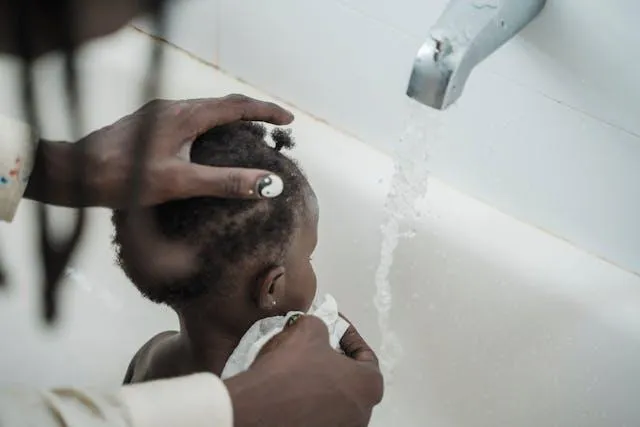
Caring for your baby’s skin isn’t just about following a checklist; it’s about understanding their unique, delicate needs and creating a routine that nurtures both their body and your bond.
Image: Sasha Kim/Pexels
Baby skin myths
If you’ve ever found yourself scrolling through parenting forums or hearing advice from well-meaning family members, you’ve probably encountered plenty of conflicting ideas about baby skincare. But not all of it stands up to scrutiny.
Let’s unravel some of the most common myths.
Myth 1: Natural always means safe
There’s something comforting about the word “natural”, but it doesn’t always mean gentle. Essential oils, for example, can be harsh on a baby’s skin, sometimes even causing irritation or allergic reactions.
“Not all natural ingredients are created equal,” says Van Rensburg. “Baby-specific products are carefully formulated to match the natural pH of their skin and maintain its protective barrier. Always read labels and choose products tested for infant use.”
Myth 2: Babies should be bathed every day
Daily baths might seem like a hygienic must, but they can actually do more harm than good. Frequent washing, especially with soap, can strip away your baby’s natural protective oils, leaving their skin dry and irritated.
“Less is often more,” Van Rensburg advises. “Two to three baths a week with lukewarm water and a mild baby cleanser are usually enough unless there’s a specific need, like a diaper blowout!”
Myth 3: Babies don’t need moisturiser
Here’s a surprising fact: a baby’s skin loses moisture up to five times faster than an adult’s. Without proper hydration, their skin is prone to dryness, itchiness, and irritation.
To lock in moisture, apply a gentle baby moisturiser after every bath. This is especially important in dry weather or during winter when indoor heating can sap moisture from the air.
Myth 4: Fragrance-free is always better
While fragrance-free products are great for babies with allergies or eczema, they’re not always necessary for every child. In fact, light, hypoallergenic fragrances specially designed for babies can make skincare routines more enjoyable for both parent and child.
“The key is to avoid harsh ingredients,” says Van Rensburg. “Choose dermatologically tested products from trusted baby care brands.”
Myth 5: Baby powder is essential
Baby powder was once a nursery staple, but times have changed. Talc-based powders, in particular, have fallen out of favour due to concerns about inhalation risks. Instead, opt for soothing creams or lotions that hydrate the skin while reducing friction naturally.
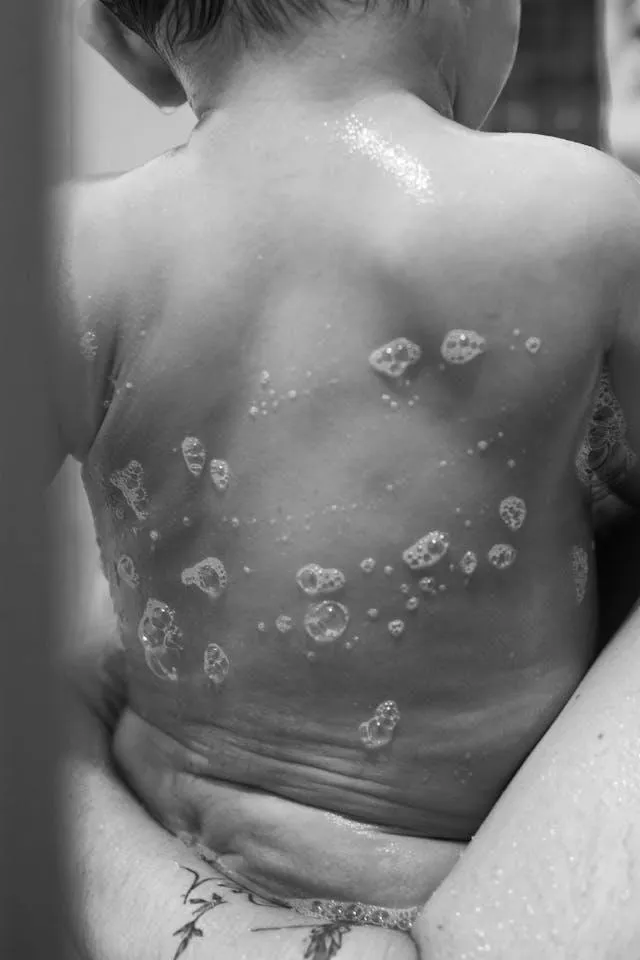
Here’s a surprising fact: a baby’s skin loses moisture up to five times faster than an adult’s.
Image: Hannah Barata /Pexels
When it comes to your baby’s skincare routine, simplicity is key. Focus on gentle, scientifically-backed care that respects their skin’s unique needs.
“Your baby’s skin communicates with you,” Van Rensburg reminds us. “Dryness, redness, or irritation are all signs that their skin needs a little extra care. Trust your instincts but anchor them in science.”
Caring for your baby’s skin isn’t just about following a checklist; it’s about understanding their unique, delicate needs and creating a routine that nurtures both their body and your bond.