


Australia makes headlines worldwide with a historic ban on social media for children under 16.
Image: Mikhail Nilov/pexels
Australia has made waves globally with a groundbreaking decision to ban social media for children under 16. This bold move, enacted on Wednesday, December 10, is being closely watched by governments and parenting advocates worldwide.
While it’s been hailed as a win for child safety, it has also sparked heated debates about the balance between protecting mental health and preserving digital freedoms.
In South Africa, there is currently no equivalent law. Instead, regulatory bodies such as the Independent Communications Authority of South Africa (ICASA) and the Film and Publication Board (FPB) focus on protecting children from harmful online content rather than restricting access to social media entirely.
South African legislation emphasises content classification, online child protection, and digital literacy initiatives, leaving the decision to use social media largely in the hands of parents and guardians.
However, as a mom of a tween, I see how social media affects kids. There’s endless scrolling, game chat rooms, TikTok challenges that distract from chores and even an obsession with skincare routines.
It's a known fact that these platforms shape how our kids see themselves and the world. This ban, while controversial, feels like a necessary wake-up call for all of us.
Starting this week, platforms like TikTok, Instagram, YouTube, Snapchat and Facebook must block underage users in Australia.
To enforce this measure, these platforms will rely on various verification methods to technically "block" users under the age of 16. This primarily involves age verification at sign-up, where users will need to provide valid identification or undergo AI-based facial recognition tests that estimate age. Additionally, platforms will conduct periodic checks to ensure ongoing compliance, helping to address potential loopholes in the system.

As families adjust to the absence of social media, the potential for rebuilding community connections and prioritising mental well-being rises.
Image: Dalila Dalprat/pexels
Failure to comply may result in fines of up to A$49.5 million (approximately R560.1 million). The measure, affecting an estimated one million children, aims to tackle the growing mental health crisis among teens.
According to online reports, Australian Prime Minister Anthony Albanese called it "a proud day" for families, saying, “This is one of the biggest social and cultural changes our nation has faced. It’s a profound reform that will continue to reverberate around the world.”
But how will it work?
Currently, platforms are employing a mix of age-verification methods, including AI-based age estimation, selfies, and ID uploads, to enforce the ban.
While not foolproof, this approach marks a significant shift in how governments hold tech companies accountable for safeguarding young users.
Why this ban and why now?
The timing of the ban is strategic, coinciding with Australia’s summer break, a period when kids typically spend hours glued to their screens.
Research cited by the government shows alarming trends: 86% of Australian kids aged 8 to 15 are on social media, where they’re exposed to harmful content like cyberbullying, misinformation, and unrealistic beauty standards.
Julie Inman Grant, Australia’s eSafety Commissioner, explains, “The overuse of social media among teens has been linked to anxiety, depression, and poor body image.”
In countries like the U.S. and even here back home, parents are pleading for similar measures. This is about putting the safety of our kids before technology profits.
Studies support these concerns. A 2022 report from the American Psychological Association found that excessive social media use in teens is associated with heightened risks of depression and anxiety.
Another study from the University of Queensland revealed that just one hour a day on platforms like Instagram significantly impacts self-esteem, especially for young girls.
For many teens, this ban feels like a severed lifeline. Social media isn’t just entertainment; it’s how they connect with friends, express themselves, and stay informed. In the hours before the ban took effect, hashtags like #SeeYouWhenI’m16 trended on TikTok as kids posted farewell messages to their followers.
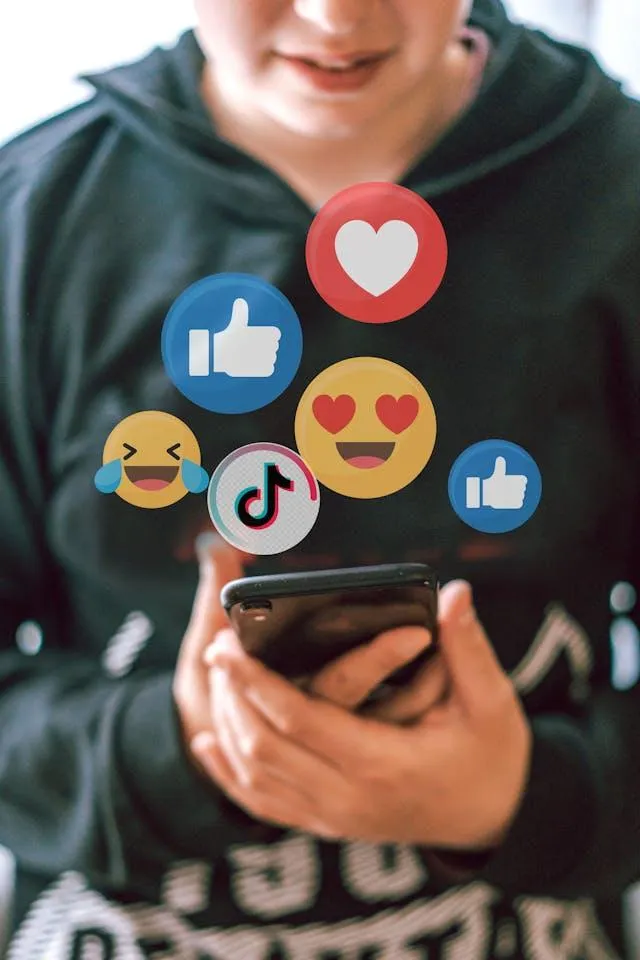
Parents are now faced with the task of reimagining family life without the pervasive influence of social media. This
Image: Atlantic Ambience /pexels
Critics argue that the ban could disproportionately impact marginalised and remote youth who rely on social media for connection and support. But proponents counter that the long-term benefits outweigh the short-term inconvenience.
The global ripple effect
Australia’s move is being closely studied by countries like Denmark, New Zealand, and Malaysia, where similar measures are under consideration. It’s a live experiment in how far governments can push age restrictions without stifling innovation or free speech.
Elon Musk’s X (formerly Twitter) was among the last platforms to comply, stating, “It’s not our choice, it’s what the Australian law requires," reports Reuters.
Other companies have expressed concern over the practicality and ethical implications of widespread age verification.
Communications Minister Anika Wells has made it clear that this is just the beginning. “If LinkedIn becomes a secret meeting place for under-16s, I will not hesitate to act,” she warned.
The law's enforcement will be overseen by the eSafety Commission, with ongoing adjustments as new platforms emerge.
What does this mean for parents?
With this significant lifestyle shift, families must adapt to life without social media. For a generation raised on connectivity, this can feel daunting but also offers a chance to reconnect offline, deepen relationships and explore new interests.
There are a few ways teens, families, and communities can cope with the transition and thrive without social media.
Rekindle face-to-face friendships
The allure of social media often distracts from nurturing real-life friendships. Now, teens can focus on building deeper, in-person connections. Families can encourage meetups at local parks or perhaps coffee shops, facilitating genuine social interactions.
Dive into hobbies and passions.
Less screen time frees hours for hobbies and skills. Sports, arts, cooking, or gardening now offer abundant growth opportunities.
Time spent in nature is known to alleviate stress while enhancing physical well-being, creating a fantastic chance to unplug.