

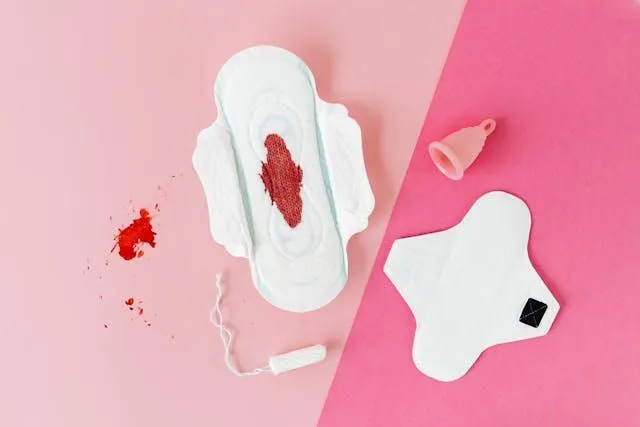
Toxic shock: every sanitary pad tested in SA found with hormone-disrupting chemicals.
Image: Pexels
A disturbing new study by the University of the Free State (UFS) has found hormone-disrupting chemicals in every single sanitary pad and panty liner tested in South Africa.
For many women and others who menstruate, sanitary pads and liners are essential items – trusted products used during a vulnerable time each month.
The idea that they may contain hormone-disrupting chemicals is likely to cause alarm.
Researchers analysed popular products sold in local shops, the very items millions of individuals use every month, and the results have raised serious health concerns.
"Endocrine-disrupting chemicals (EDCs) were detected and quantified in all tested samples, with each pad and liner containing at least two of the target EDCs," the university found.
Scientists tested 16 sanitary pads and seven panty liners for 20 different endocrine-disrupting EDCs. These include:
Phthalates
Parabens
Bisphenols
These chemicals are known to interfere with hormones in the body.
"I wonder what chemicals are in our period products and I wonder if it could be contributing to period symptoms we experience?" Asked menstrual health activist, Candice Chirwa.
The study also found that 100% of panty liners contained phthalates and 100% of pads contained bisphenols.
Additionally, most products contained multiple chemicals
Phthalates were more common in liners, while bisphenols were more common in pads.
EDCs are chemicals that can disrupt the body’s hormone system. Over time, they have been linked to reproductive problems and even cancer.
The university warned that menstrual products may be a hidden source of toxic exposure.
"Although daily doses may seem low, the long-term, repeated contact with sensitive tissues poses cumulative health risks, including reproductive toxicity and cancer," the researchers said.
Women and girls use these products for days every month, year after year, placing them in direct contact with highly sensitive tissue. This is the first comprehensive study of its kind in South Africa to examine chemical contamination in menstrual products sold locally.
The research team included PhD candidate Janine Blignaut, Dr Gabre Kemp from the Department of Microbiology and Biochemistry, and Professors Elizabeth Erasmus, Deon Visser and Marietjie Schutte-Smith from the Department of Chemistry.
IOL News