

Hypertension is a silent epidemic in South Africa according to KZN vascular surgeon Dr Vinesh Padayachy.
Image: Pexels
High blood pressure was seen as a condition linked to ageing for years, something people worried about later in life after years of stress, poor diets and little to no exercise. However, health experts say that picture is rapidly changing.
More young South Africans are being diagnosed with hypertension, with lifestyle pressures contributing to the rise. The Heart Foundation reported that one in three South African adults are living with high blood pressure, while cases among young people between the ages of 15 and 24 have increased significantly over the years.
Often referred to as the “silent killer”, hypertension rarely shows visible symptoms until serious damage has been done.
It is one of the leading causes of strokes, heart attacks, as well as other chronic illnesses.
In recognition of World Hypertension Day this May, healthcare providers are urging South Africans, especially younger people, to take blood pressure checks more seriously.
“Hypertension does not always announce itself,” said Damian McHugh, chief marketing officer at Momentum Health.
“People may feel completely healthy while underlying damage is already taking place. Early detection allows one to take control before any serious complications arise.”
Experts say many people are diagnosed accidentally during doctor visits for unrelated health concerns because symptoms are usually non-existent in the early stages.
The condition has also become closely linked to modern lifestyle habits. Long working hours, high stress levels, lack of sleep, processed foods, smoking, alcohol consumption and limited physical activity are all contributing factors.
Besides the health risks, hypertension can also place financial strain on households when complications lead to ongoing treatment, hospital visits and long-term medication.
Research has reported that more than 90% of people living with hypertension are either undiagnosed, untreated or do not have their condition under control, highlighting the need for more awareness and regular health screenings.
Healthcare professionals encourage people to make small but consistent lifestyle changes, including improving their diets, exercising regularly, reducing stress and attending routine check-ups.
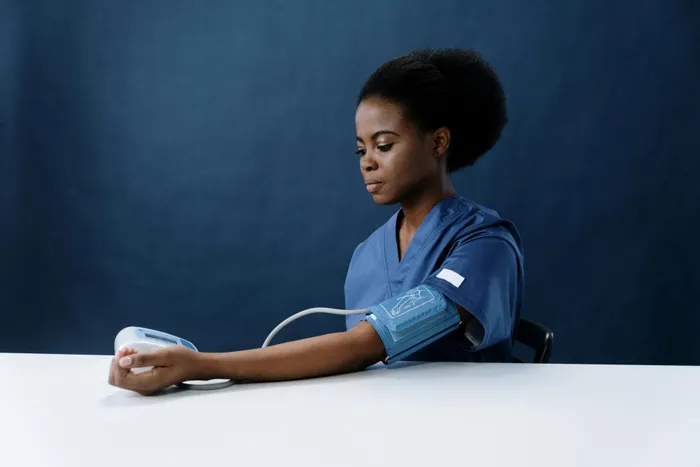
Checking blood pressure is quick, painless and widely available at pharmacies, clinics and healthcare providers.
“Knowing your numbers is one of the simplest actions you can take for your health,” McHugh said. “A simple check can prevent years of complications.”
IOL