

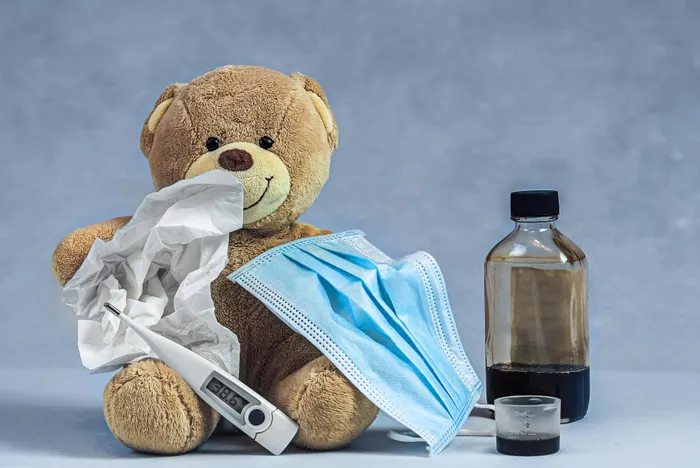
A disease respiratory syncytial virus (RSV) is said to be a major cause of respiratory illness and death, in young infants.
Image: Pexels
A small cough, a runny nose, and a slightly grumpy baby who doesn’t want their bottle — it all seems normal this time of year, until it suddenly isn’t.
Doctors are warning South African families to pay closer attention to RSV (Respiratory Syncytial Virus), a common respiratory virus that infects almost all children before the age of two. While it often starts off looking mild, RSV can quickly become serious in babies, especially those younger than six months. That’s the scary part.
It doesn’t announce its presence dramatically. One minute your baby is sniffling. A few hours later, they are breathing faster, refusing feeds, and struggling to sleep comfortably. For exhausted parents already juggling winter bugs and overcrowded clinics, it can be difficult to know when to panic and when to wait it out.
With RSV currently active in South Africa alongside flu season, health experts say awareness matters more than ever. The virus is one of the leading causes of severe chest infections in infants and can lead to bronchiolitis, pneumonia, and hospitalisation.
In South Africa, babies younger than six months are the most vulnerable, with many severe cases occurring in otherwise healthy infants born at full term. That’s what surprises many parents.
Many assume only premature babies or children with underlying conditions are at risk. However, experts say severe RSV can affect healthy babies as well, which is why early symptoms are easy to underestimate.
“Severe RSV is not limited to premature babies or infants with underlying medical conditions,” said Jean-Baptiste Bregeon, Head of Vaccines and Country Lead at Sanofi South Africa.
The signs parents should watch for include:
Unlike adults, who can usually power through winter flu with tea and blankets, babies have tiny airways and very little reserve when breathing becomes difficult.
In many South African homes, there’s also another reality: getting medical help is not always simple. Not everyone lives close to clinics. Public healthcare facilities are often packed during the winter season. Transport can be expensive. Symptoms may worsen late at night when parents have fewer options.
That delay can make all the difference. Healthcare professionals say parents should seek advice early rather than wait for symptoms to become severe. Sometimes what looks like “just a cold” is actually the beginning of something far more serious.
There is some good news, though. Newer RSV prevention options are becoming more widely discussed globally, with studies showing they can significantly reduce hospital admissions and severe illness in infants.
Recent real-world evidence has shown strong reductions in severe RSV outcomes, including 80.5% effectiveness against RSV-related hospitalisation, 84.6% against severe RSV disease, 80% against RSV-related ICU admission, and 83% against acute respiratory failure.
“These important findings show that prevention may reduce mild infection as well as lower the risk of severe outcomes that put the greatest strain on the health of babies. This also reduces the pressure on overburdened health services,” said Bregeon.
Experts say the biggest tool parents have right now is awareness. Winter bugs are expected, but a baby struggling to breathe should never be treated as “normal winter behaviour.”
This season, parents are being encouraged to trust their instincts. If a baby seems unusually sleepy, breathless, or unable to feed properly, it’s worth asking questions early.
“Discovery Health, one of South Africa’s largest medical scheme administrators, made the decision to reimburse the monoclonal antibody for babies born during RSV season. This reflects growing recognition of the clinical and economic value of protecting infants against RSV-related illness and hospitalisation,” said Bregeon.
Sometimes the most dangerous illnesses are the ones that arrive quietly.
IOL