

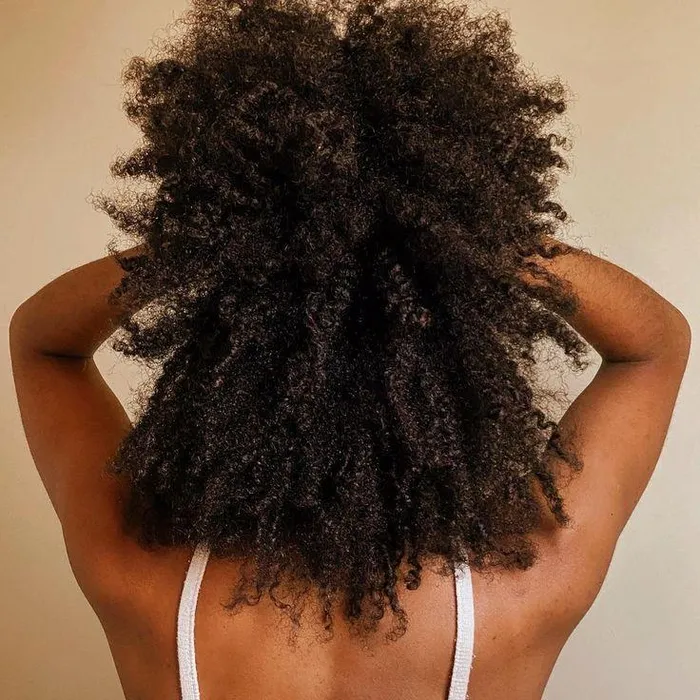
The misconception that afro-hair is "difficult to handle" in the hair transplant industry has been dismantled, as technology and resources improved over the years.
Image: Pinterest
For years, afro-textured hair was rarely considered and under-represented in the hair transplant space, leaving many to assume that transplants were not suitable for them.
It was very common in my childhood to hear mothers and aunts recommend a "big chop" for receding hairlines. The belief was that cutting the hair would allow the hairline to regrow along with the new growth.
The primary reasons why a “big chop” was seen as the only solution was a lack of readily available information on hair transplants and the exclusion of people with afro-textured hair as the procedure grew in popularity.
According to a recent press release, afro-textured hair patients have a high failure rate in hair restoration procedures due to the overlooked unique structure of their hair.
In a conversation with "Independent Media Lifestyle", Dr Kashmal Kalan a surgeon and afro-textured specialist at Alvi Amarni SA, highlighted the gap in the cosmetic industry and addressed the misconception that afro hair is difficult.
“I think the reason is that the notion that was always given to us in the past was because afro-textured hair has a curl to it, so it becomes extremely challenging to extract those grafts. And because of those challenges, a lot of doctors, by their own accord, have decided to stay away from doing those cases because it is a lot more challenging, the results are often not great if not done correctly.
And in order to minimise the risk of even disappointing the patients, a lot of doctors in the past would have stayed away from doing cases where they knew they couldn't necessarily obtain the right results for the patient,” Dr Kalan shared.
He said that the emotional toll of consistent rejection is a common burden for many people who seek help at their clinic.
“The emotional toll from the past has been crazy because a lot of people lose hope, they become self-conscious about their issues. They also start becoming very limited in what they speak about since it's such a deeply personal sort of experience.
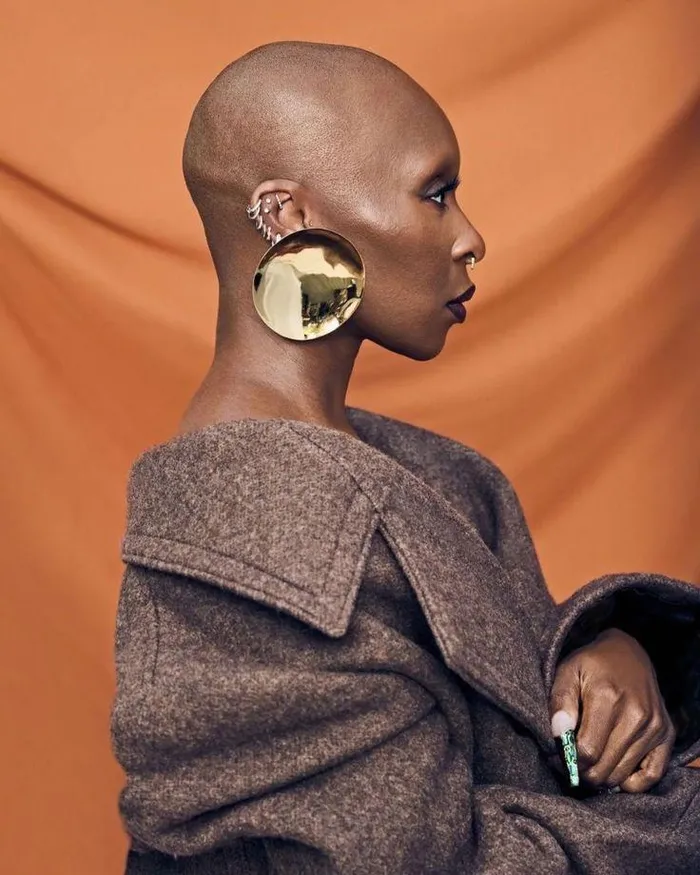
A lot of people with afro hair would always resort to cutting their hair in hopes of restoring their hairline/hair loss.
Image: Pinterest
“A lot of times when patients come through to us, they come with a lot of hope.
"For so many years, they have been told, 'you're not a candidate' and 'just shave your head because you have curly hair'.
“So when people come here sitting in front of me, they're already coming with a lot of hope and a glimmer of excitement. But they also have a mild reservation as well because even though they are excited, they definitely still feel like it's been so many years I've been told no,” he said.
Dr Kalan added that the reason why a lot of doctors stayed away from afro-textured hair patients is because of the curls beneath the scalp.
He emphasised that years ago when hair transplants became popular, they did not have the right tools and technology to help extract the curly follicles.
For many black people, including myself, it's rare to go more than four months without braiding our hair. In fact, most of us engage in what is commonly called "monthly maintenance", which involves taking out the previous month's hairstyle and replacing it with a new one.
However, a drawback of this constant hair styling is that frequent braiding can damage our hair. Specifically, the tension from braids can damage our hair follicles, leading to hair loss.
Dr Kalan emphasised the importance of taking a break from constantly doing our hair to avoid hair loss.
He added that choosing hairstyles with less tension or braiding your hair only when it’s necessary especially after your hair transplant procedure is very important if you don’t want to end up with hair loss or a receding hair line yet again.
“It's just about re-educating the patient rather than completely changing their cultural and historical backgrounds, letting them know that they can still utilise what they want to, but in a very safe manner,” he said.
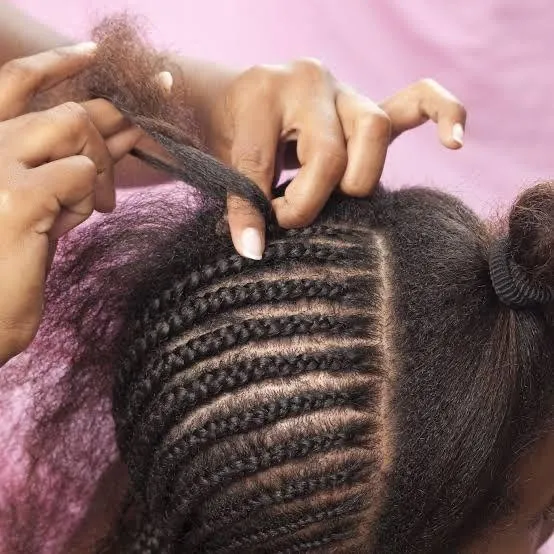
Hairstyles such as braids and cornrows are often the cause for hair loss due to the amount of pressure on the hair follicles.
Image: Pinterest
He further stressed the importance of professionalism and regaining trust when dealing with patients with afro-textured hair.
This is particularly crucial because these individuals may already feel let down by the medical system, as they were previously denied procedures.
“One of the biggest things that we need to develop with our patients and that's that ability of trust. Because at the end of the day, you are coming to me with a deeply personal problem.
“But I think the way we deal with our patients is with the utmost amount of honesty, the utmost amount of professionalism, but most importantly, making sure that patients are aligned in their expectations,” he said.
To rewrite the afro-textured hair narrative in medical and beauty industries, he believes the initial step is to remove the fear and misconception that patients with this hair type cannot be effectively treated.
“If you are experiencing hair loss, whether you have afro-textured hair, whether you have straight hair, we now have the tools and solutions to combat those problems for you.
“So don't sit in silence. Start the journey by getting a consultation done. The notions of the past where things were not done or could not be done are no longer the notions of the present and the future,” Dr Kalan said.
He also shared a heartwarming message for patients who feel hopeless and dealing with hair loss.
“Don't feel hopeless because I've dedicated my life to this industry. I have dedicated my life to understanding and ensuring that we can get back people's hair, especially when it deeply concerns you.
“The whole industry has moved in a very positive direction and specifically in South Africa because we deal with the majority of our patients having curly hair, we have developed an expertise that allows us to deliver proper results for them,” he said.