Amazon drought caused emissions - study
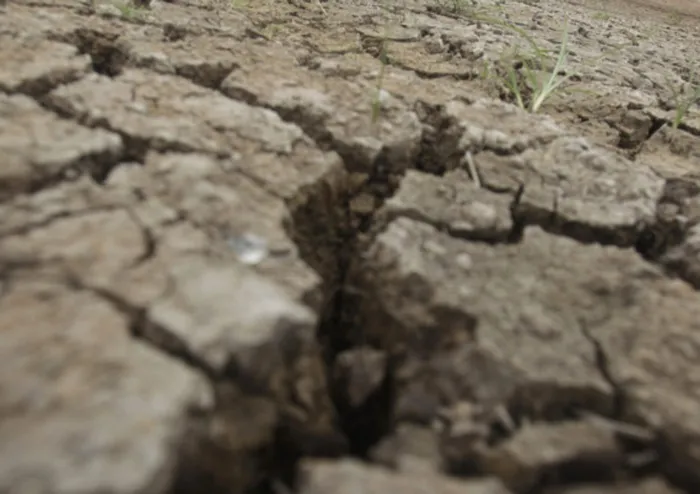
In the northeastern nook of Senegal carcasses of cattle lie in the sun, the fields have withered and food depleted. In the northeastern nook of Senegal carcasses of cattle lie in the sun, the fields have withered and food depleted.
Rio de Janeiro - A widespread drought in the Amazon rain forest last year was worse than the “once-in-a-century” dry spell in 2005 and may have a bigger impact on global warming than the United States does in a year, British and Brazilian scientists said on Thursday.
More frequent severe droughts like those in 2005 and 2010 risk turning the world's largest rain forest from a sponge that absorbs carbon emissions into a source of the gases, accelerating global warming, the report found.
Trees and other vegetation in the world's forests soak up heat-trapping carbon dioxide as they grow, helping cool the planet, but release it when they die and rot.
“If events like this happen more often, the Amazon rain forest would reach a point where it shifts from being a valuable carbon sink slowing climate change to a major source of greenhouse gases that could speed it up,” said lead author Simon Lewis, an ecologist at the University of Leeds.
The study, published in the journal Science, found that last year's drought caused rainfall shortages over a three million square kilometre expanse of the forest, compared with 1.9-million square kilometres in the 2005 drought.
It was also more intense, causing higher tree mortality and having three major epicentres, whereas the 2005 drought was mainly focused in the southwestern Amazon.
As a result, the study predicted the Amazon forest would not absorb its usual 1.5 billion tons of carbon dioxide from the atmosphere in both 2010 and 2011. In addition, the dead and dying trees would release 5 billion tons of the gas in the coming years, making a total impact of about 8 billion tons, according to the study.
In comparison, the United States emitted 5.4 billion tons of carbon dioxide from fossil fuel use in 2009.
The combined emissions caused by the two droughts were probably enough to have cancelled out the carbon absorbed by the forest over the past 10 years, the study found. - Reuters