

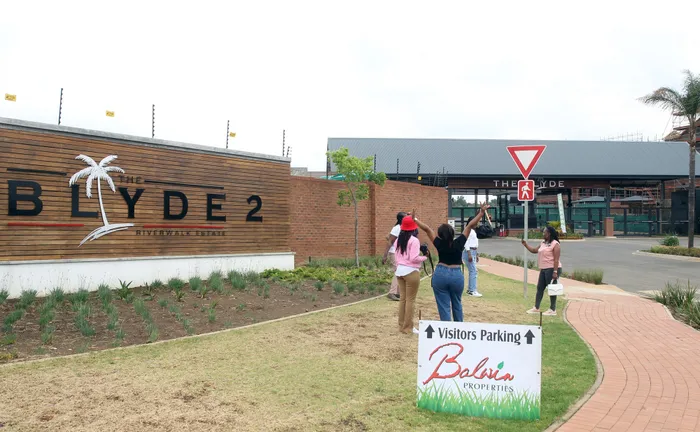
The Blyde Riverwalk Estate in the east of Pretoria, a vibrant location popular with short-term visitors.
Image: Oupa Mokoena/African News Agency (ANA)
Short-term rentals in residential complexes - commonly seen through platforms like Airbnb - have ignited widespread debate across South Africa, particularly in vibrant communities such as the Blyde Riverwalk Estate in Pretoria. A landmark court ruling from the Gauteng High Court has recently affirmed the rights of homeowners' associations (HOAs) to regulate these rentals, responding to mounting concerns over noise, security, and the preservation of community values.
The court was presented with a case initiated by the Blyde Riverwalk Home-Owners Association against approximately 80 homeowners who had been leasing their units for short-term holiday accommodations. The complaints from permanent residents encapsulated a range of issues, from disruptive noise levels to overcrowding and perceived security threats.
Back in 2020, in an effort to address these rising concerns, the HOA and the estate’s developer established stricter rules concerning short-term letting (STL). However, the Community Schemes Ombud Services (CSOS) initially endorsed these regulations, only for an adjudicator later to annul them, reverting back to the more lenient provisions of 2018. Faced with ongoing disputes, the HOA appealed the decision to the High Court for a more definitive resolution.
Located in the picturesque Pretoria East area, Blyde Riverwalk Estate is lauded for its stunning natural setting, featuring a lagoon and extensive recreational amenities. At its inception, the development aimed to create a family-oriented lifestyle estate, allowing families to enjoy safe, secure environments complete with outdoor and water activities.
Yet, the ongoing friction between the HOA and STL owners highlights a growing divergence in priorities. While the original vision promoted tranquility, the influx of holidaymakers seeking a weekend getaway has led to significant disruptions. Residents voiced their frustrations about parties and noise disturbances, underscoring a vital need to preserve the family-centric ethos envisioned by the estate's foundational principles.
The court's ruling, however, has provided a temporary resolution by allowing the stricter 2020 regulations to remain in force while the broader appeal is awaited. Legal expert Johlene Wasserman, Director of Community Schemes and Compliance at Sandton-based law firm, VDM Incorporate, explains that the ruling reinforces the authority of HOAs to regulate commercial activities like STLs, contingent on the proper adoption and approval of associated rules.
“The court has delivered a clear message that STLs are a commercial activity and that HOA and corporate bodies have the power to regulate them,” Wasserman stated. “In practical terms, this means short-term letting remains permissible at the Blyde Estate, but strictly under the more restrictive rules until the appeal concludes.”
This judgement not only shields the rights of permanent residents to enjoy their homes without disruption but also reinforces the legal standing of HOAs throughout South Africa. As the court recognises the necessity for such regulations, it sends a powerful signal regarding the balance between commercial activities and residential integrity.
While residents and landlords await the final outcome of the appeal, the judgement establishes an essential precedent. Community schemes across South Africa are consequently empowered to enact rules that adapt to local needs, ensuring the preservation of their unique character amid the expanding share-economy landscape.