

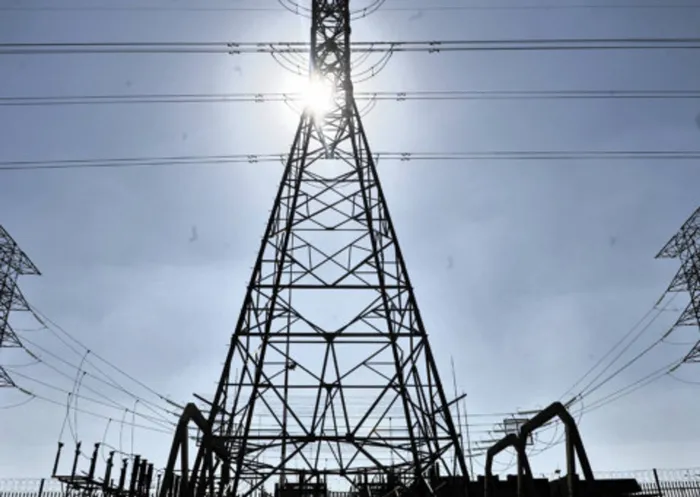
The City of Tshwane launched a number of electricity projects last year, promising relief for Pretoria West residents, but problems continued in parts of the metro over the festive season.
Image: Oupa Mokoena / Independent Media
A serious concern has been raised about the “breaking point” state of Tshwane Metro’s electrical grid, described by a local councillor as a “dangerous combination of aging infrastructure, inadequate safety measures, and targeted criminal activity”.
“This festive season, two substations in the City of Tshwane have burned down, leaving communities in the dark. First, the Olievenhoutbosch Substation in Centurion and yesterday (December 26, Boxing Day) the Koedoespoort Substation in the Moot,” said Councillor Themba Fosi, the local DA spokesperson for utilities.
He said in recent months there has been “an alarming surge” in substation fires across the metro which was found to be attributable to “a systemic failure in preventative maintenance”.
“In recent months, we have seen an alarming surge in substation fires across the metro. These are not merely technical glitches; they are catastrophic failures that result in prolonged blackouts, damaging local businesses and compromising the safety of residential neighbourhoods. Each fire further weakens an already strained electricity grid, leading to a ‘domino effect’ of infrastructure instability,” he said in a statement.
Many of the metro’s substations lacked modern fire suppression systems, functional smoke detection, or even basic physical firebreaks, he said.
“Without these essential protections, a small electrical fault, which should be contained, rapidly escalates into a total infrastructure loss.”
The electricity infrastructure challenges were further exposed by stormy weather across the country over the festive season, with reported power issues going up 40% compared with the same period in 2024 as a result of damaged infrastructure, Eskom said.
Last month’s heavy rain, strong winds, lightning, hail and flooding heavily affected areas of Tshwane as well as other parts of Gauteng, Limpopo, Mpumalanga, KwaZulu‑Natal, Free State, North West and Eastern Cape provinces.
While supply has been restored in most affected areas, some communities remain without electricity due to severely damaged infrastructure, Eskom reported.
Despite these distribution-level challenges, Eskom said the national power system remains stable and continues to meet electricity demand.
In Tshwane, municipal officials have cited ongoing feeder cable faults and ageing infrastructure as the cause of extended outages in several areas.
Yesterday, DA Tshwane mayoral candidate Ciliers Brink called for the metro to rally additional resources and personnel to help restore power in the Pretoria suburb of East Lyne.
“Today (Monday, January 5) marks the eleventh day of no power in this suburb following a fire at the Koedoespoort substation last year. While teams are onsite, none of the communication about when power will be restored has been credible. For every cable fault fixed, two or more new faults arise” he said.
Brink blamed the worsening of the situation on the “defunding” of electricity teams as Tshwane spent more on water tankers and security companies.