

The DA has sounded the alarm over City of Tshwane's pothole repair strategy, citing the use of cold asphalt as a temporary fix that is not up to standard.
Image: Supplied
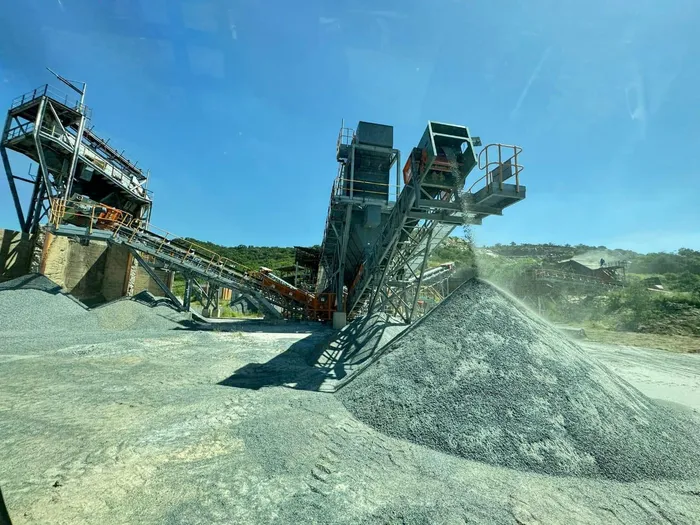
The DA in the City of Tshwane has put into question the municipality’s pothole repair strategy, alleging the city has been forced to use cold asphalt due to electricity woes at the Bon Accord quarry.
Dikeledi Selowa, DA spokesperson on roads and transport, claimed on Saturday that the city’s pothole repairs are falling short, saying it is using cold asphalt, instead of hot mix asphalt.
She expressed concern that the use of a cold asphalt is a temporary fix that does not address long-term road damage.
“The DA in Tshwane is deeply concerned as the ongoing electricity failures in the City of Tshwane are now directly preventing critical road maintenance, worsening potholes and placing motorists at risk.
"Yet another power outage has left the Bon Accord quarry without electricity, halting the city’s production of hot mix asphalt at a time when heavy December rainfall has severely damaged roads across the city. With schools reopened and increased traffic, planned road maintenance should have been a priority,” she said.
Selowa claimed the city’s Roads and Transport Department is operating with only one functional jet patcher, limited asphalt collection capacity, and is forced to rely on cold asphalt.
“Cold asphalt is a temporary fix that does not address long-term road damage. The city is now being pushed to outsource asphalt production, creating even more unnecessary costs.
"This crisis is the direct result of the ANC-led administration’s failure to maintain electricity infrastructure. Yet again, the protection of electricity infrastructure and keeping lights on falls to the wayside, while millions are spent on water tankers and watchman services,” she said.
Tlangi Mogale, Tshwane's Roads and Transport MMC, is yet to comment on the allegations that the city is using cold asphalt for pothole repairs.
Selowa further blamed Tshwane Mayor Nasiphi Moya for allegedly failing to act with urgency or communicate clearly to restore power to the Bon Accord area.
The criticism comes hot on the heels of Moya's launch of GrooveTech, a new pothole repair material designed to deliver stronger bonding, faster curing, and longer lasting repairs.
“This technology allows the city to continue repairing roads even under challenging weather conditions, reducing repeat failures and limiting disruption to road users,” Moya said.
She said GrooveTech builds directly on the investment made in November last year with the procurement and deployment of two jetpatchers, which remain vital for rapid pothole repairs across Tshwane.
Moya said the city is banking on strong internal capacity and traditional infrastructure assets that have stood the test of time.
“Bon Accord Quarry remains a strategic municipal resource, supplying quality hot asphalt that underpins resurfacing programmes and permanent road repairs. This ensures that the city retains direct control over material quality, cost efficiency, and supply reliability,” she said.
She said temporary fixes of potholes alone are not sufficient, saying the city's approach combines skilled municipal teams, modern equipment, innovative materials, and dependable traditional methods.
She added that the 28 city officials, trained in specialised pothole repair techniques completed in November last year, supported the city’s strategy to ensure roads are repaired properly, safely, and sustainably.
“As the City continues to advance its road maintenance programme, the focus remains on building resilience into the system, reducing long term maintenance backlogs, and ensuring that public funds are invested in solutions that last,” he said.
rapula.moatshe@inl.co.za