

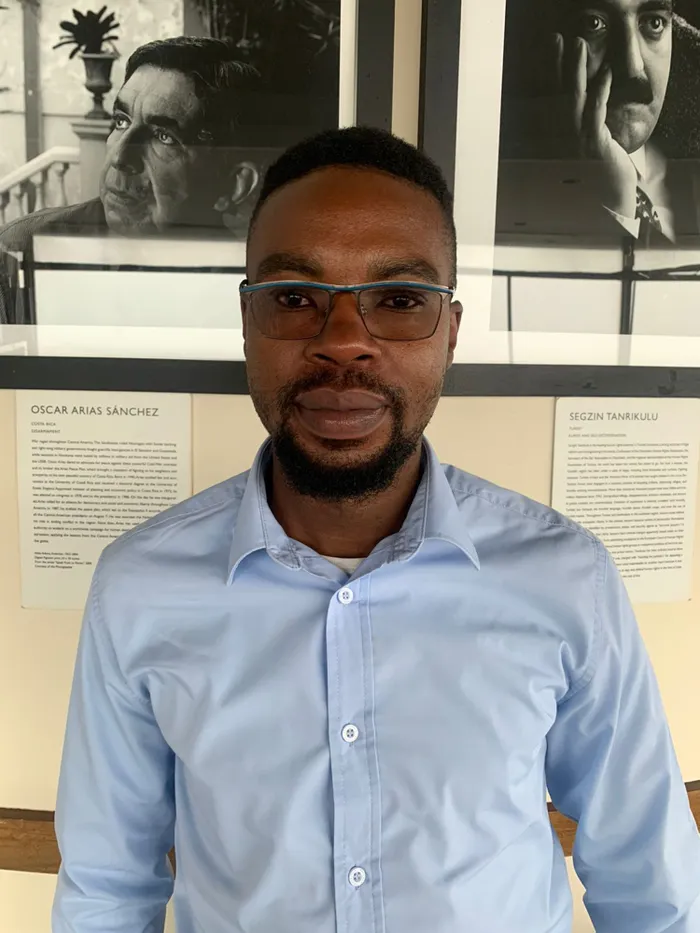
Bongani Nicholas Ngomane is a PhD student at the University of Witwatersrand and an activist in the arts sector.
Image: SUPPLIED
Something unusual happened at the National Community Arts Centres Indaba 2026. People did not just attend; they stayed; they listened, argued and demanded. And they refused to leave.
Hosted last week, from January 20 to 22, the three-day gathering brought together over 120 delegates at a time when South Africa’s creative sector is asking hard questions about survival, relevance and justice. This was not a soft conference of polite speeches. It was a national cultural temperature check. A space where frustration and hope sat in the same row, often in the same breath.
Under the theme "redress, reimagine, reposition community arts in South Africa", the Indaba brought together researchers, scholars, cultural leaders, practitioners, programmers, entrepreneurs, policy makers and stakeholders from across the country. What emerged was a rare moment of collective honesty about the state of community arts centres and what they mean in the lives of artists and communities.
For years, community arts centres have been framed as pillars of development, platforms for talent, hubs of youth empowerment and creative economy engines. Yet many delegates arrived with stories that reveal a different reality. Buildings that exist on paper but not in practice. Centres with no accessible infrastructure. Spaces too far to reach. Programs that start strong but collapse due to poor funding. Staff and facilitators who cannot be retained. Communities expected to create without resources.
The Indaba offered a space for these truths to surface in public and without apology.
One of the most striking interventions came from the Director General of the Department of Sport, Arts and Culture, Dr Ntombifuthi Cynthia Khumalo, who called for urgency and for stakeholders to return to the fundamentals. The question at the centre of her message was both simple and powerful: What really is an art centre, and what must be clarified so it works for communities? The statement landed like a challenge, forcing the sector to look beyond language and into practical reality.
As debates unfolded, it became clear that the frustration is not only about infrastructure but also about how decisions are made. Cultural leader Thami Mbongo questioned whether the top down approach has ever truly served communities, suggesting that a down to top approach rooted in local voices could change the narrative of how the government engages community arts centres. This sparked a visible moment of reflection among officials and delegates alike. The response could not be instant. But the question could not be ignored.
The second day shifted into intensive commissions, with stakeholders networking across provincial and national structures. Discussions stretched late into the evening, well past 5pm, signalling the determination in the room. Exhaustion was present, but so was readiness. People were no longer interested in statements. They wanted resolutions.
The closing moment arrived on Thursday with the presentation of the final statement report, consolidating submissions from all nine provinces. The report became the tangible outcome delegates had been hoping for, ensuring that community voices were not only heard but documented for action. At exactly 2:30pm, collective agreement was reached, marking a significant milestone for the Indaba.
The symbolic weight of the gathering was strengthened by its host venue, the Market Theatre, which celebrates its 50th anniversary in 2026. Founded in 1976 by Mannie Manim and Barney Simon, the theatre remains one of the country’s most important examples of what cultural spaces can mean when they are protected, resourced and community centred.
The Indaba did not pretend that the work was done. But it achieved something essential. It turned collective frustration into collective focus. It brought different provinces into one room and forced the country to listen. Most importantly, it reminded South Africa that community arts centres are not just buildings. They are the heartbeat of local creativity, a home for talent, and a necessary foundation for a sustainable creative economy.