

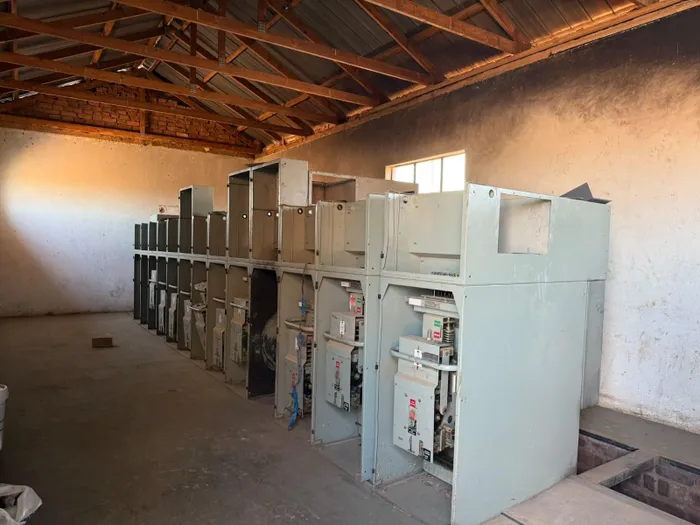
The refurbishment of W Substation in Soshanguve is part of the City of Tshwane’s energy stabilisation plan to combat power outages.
Image: Supplied
The City of Tshwane is on track to refurbish W Substation in Soshanguve, which has exposed residents and businesses to frequent power outages and unstable electricity supply.
Work, which started in October 2025, involves security upgrades, structural rehabilitation and the replacement of outdated equipment, and it is anticipated to be completed by the end of March 2026.
The project is part of the latest phase of the city’s energy stabilisation plan recently announced by Mayor Nasiphi Moya, who expressed optimism that the refurbished substation will bring about relief to residents.
Moya said strengthening substations is important to providing reliable electricity supply as repeated local outages often originate at this level.
The city, she said, is addressing longstanding service delivery challenges in and around Soshanguve, where infrastructure theft and vandalism have placed pressure on local supply.
"The W Secondary Substation in Block W, Ward 59, is a key intervention under the same stabilisation drive. For years, damage to this facility left residents and businesses exposed to repeated power failures and unstable supply. Its inclusion in the city’s infrastructure renewal programme reflects our commitment to restoring critical nodes that directly affect community life," she said.
According to her, a refurbished W substation will provide a more stable and reliable electricity supply and improve operational flexibility.
"This means that when faults occur, only smaller sections of the network are affected, while the rest of the area remains supplied. The result is fewer widespread outages, quicker restoration and less disruption to homes, schools and local businesses. A dependable power supply also supports local economic activity and gives small enterprises greater certainty," Moya said.
This week Moya led an oversight visit as part of the next phase of electricity stabilisation, which also includes Riamapark 11kV substation identified as a priority site following infrastructure degradation and criminal damage that left the facility vulnerable and increased the risk of recurring interruptions.
She said stabilisation work has included the installation of replacement equipment and the transfer of load to a more secure configuration, alongside repairs to vandalised and compromised components.
"Refurbishment of the substation building and associated systems is scheduled for completion by the end of February 2026. These measures restore protection and operational control at the site, reducing the likelihood of repeat failures and strengthening supply to surrounding areas," she said.
Moya added that refurbishment and commissioning of Blesbok Substation forms part of a structured programme focused on long term risk reduction and the modernisation of critical electricity infrastructure.
"Rather than short-term repairs, this work represents a deliberate rebuilding of a key distribution node to return the facility to a safe, compliant and fully functional condition. Through building rehabilitation, equipment renewal and system reconfiguration, the project improves protection systems, operational control and supply resilience. By replacing compromised equipment and strengthening network configuration, the risk of faults escalating into wider outages is significantly reduced," she said.
According to her, the multiparty coalition government’s energy stabilisation agenda is designed to rebuild reliability step by step by reducing risk at critical points in the network.
"This includes restoring backup capacity at key substations, intensifying preventative maintenance, strengthening protection against theft and vandalism, expanding frontline technical capacity and improving communication with residents during outages. Together, these measures are aimed at preventing minor faults from escalating into prolonged, large-scale interruptions," she said.
rapula.moatshe@inl.co.za