

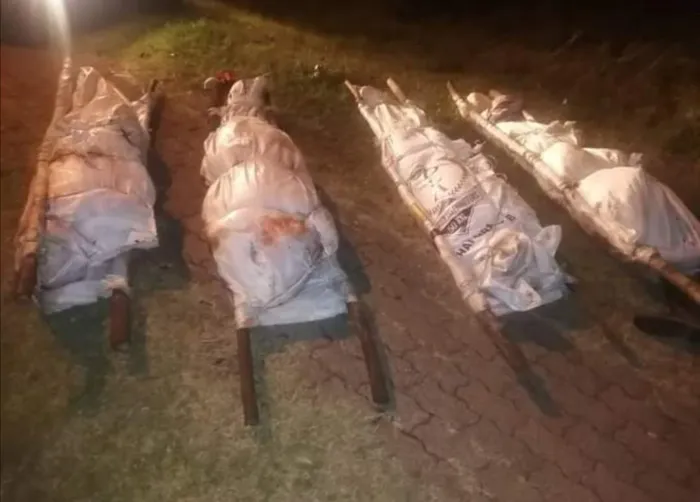
Police in the North West are investigating murder cases following the discovery of bodies of five men at an open-cast mine in Tlhatlaganyane village.
Image: Intelligence Bureau SA
Research associate at the University of Johannesburg, Calvin Rafadi, has warned that criminal gangs continue to fester in the mining sector in North West, calling for decisive intervention to save local communities.
Earlier on Thursday, IOL reported that police in the North West have launched an investigation into the shooting and discovery of the bodies of five men at an open-cast mine in Tlhatlaganyane village, which falls under the Sun City police station's jurisdiction.
Police said a multi-disciplinary team is gathering information and evidence that will not only help unravel the cause of the murders, but also help identify the perpetrators.
The area is well-known for illegal mining activities and has been previously visited by three national parliamentary portfolio committees on police, home affairs, and minerals following complaints from the local tribal authority. However, police stated that it cannot be speculated or ruled out at this stage that the killings are linked to rival mining operations.
Speaking to IOL, Rafadi, a seasoned crime analyst, said illegal mining in the Rustenburg and the Moses Kotane region in North West is not a new phenomenon.
“Open-cast illegal mining operations, particularly on the chrome belt around Thlathlaganyane, Ga-Raborife, and surrounding areas, have long been dominated by rival gangs with names such as Mazafios and The Jerusalem in the Moses Kotane region in North West,” he said.
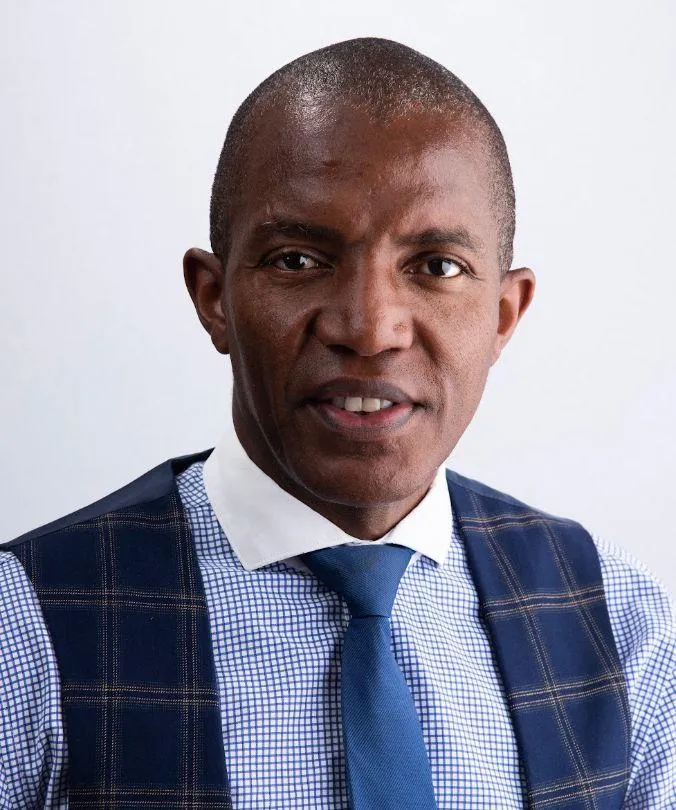
Seasoned forensic and crime expert Calvin Rafadi spoke to IOL
Image: Supplied
“What is deeply disturbing is that entire communities are now under siege from these gangs. Even livestock belonging to villagers often fall into illegal mining pits and die, showing how destructive and unsafe these operations are.
“In the same area called Witranjies, the gangs even dig open-cast chrome mining tunnels in the backyards of community homes,” he said.
Rafadi added that many young people are being recruited into the gangs, while powerful backers described as “big fish with deep pockets” are funding the operations by supplying TLBs (tractor loader backhoes), front-end loaders, trucks, and illegal firearms.
“These resources are then used by the gangs to fight violent turf wars over those mining sites. The local Sun City SAPS police station is well aware of the situation, as they are dealing with numerous registered complaints from those areas. Police officers have even given the affected areas a chilling nickname: Koditotomeng,” said Rafadi.
Rafadi has called on the Department of Mineral Resources and Energy to declare the place an illegal mining site.
He also called for the substitution of the station commander of the local police station, including members of the SAPS organized crime unit in Rustenburg, “as they ignored this known crime for more than five years”.
Meanwhile, IOL spoke to the Mining Affected Communities United in Action (Macua), an organisation that has been working closely with mining communities across South Africa.
Macua's national coordinator, Sabelo Mnguni, said the latest killings reflect not only the brutality of criminal syndicates but also the policy vacuum that leaves mining communities vulnerable.
“While the police must urgently pursue those responsible, experience shows that targeting foot soldiers alone is ineffective,” said Mnguni.
“The real test is whether law enforcement and Parliament will finally go after the high-level kingpins who finance and direct these operations, and who continue to enjoy political protection despite billions already spent on operations like Vala Umgodi without a single major syndicate leader being arrested.”
Mnguni added that the legislative framework is equally important.
“The recent amendments to the MPRDA (Mineral and Petroleum Resources Development Act) fail communities by entrenching the dominance of corporate actors, many of whom fund political parties, while excluding artisanal and small-scale miners,” he said.
According to Mnguni, without meaningful legal pathways for community custodianship and beneficiation, desperation in areas with unemployment rates as high as 70 percent will only deepen, providing fertile ground for syndicates to recruit.
jonisayi.maromo@iol.co.za
IOL News