

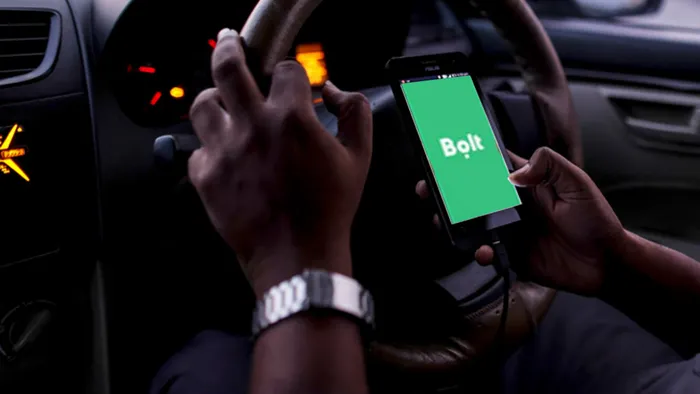
Social media users have voiced alarm over driver profile sharing after Bolt confirmed that murdered operator Isaac Satlat was using another registered driver’s account and would not qualify for compensation.
Image: File
“That’s the norm. You e-hail Emmanuel then Skomota comes to pick you.”
That was how Facebook user Tumy Modise reacted after IOL reported that Bolt would not compensate Isaac Satlat because he was operating under a shared driver profile.
The IOL report triggered a wave of responses, with many users shifting the focus from compensation to what they described as the widespread practice of profile sharing in the e-hailing industry.
Bolt confirmed to IOL that Satlat, a 22-year-old Nigerian national, was not the registered owner of the active driver profile at the time of the incident. The account belonged to another registered driver who had completed the required identity verification process earlier that day before Satlat used the profile — a practice known as profile sharing.
The company said the account has since been permanently banned.
Profile sharing occurs when a verified driver allows another individual to operate under their account. In some cases, accounts are rented out, enabling unverified individuals to bypass platform background checks and screening systems.
Facebook user Yahya Billal Du’a suggested some passengers are aware when drivers use borrowed accounts but choose not to report it.
“Many drivers use borrowed accounts and we do notice when we are riding but we don’t report because we know that’s how they are surviving and looking after their families,” he wrote. “It’s not all about you, but care for others as well.”
His comment highlights the economic pressures within the sector, where some drivers may resort to profile sharing to earn an income despite platform rules prohibiting the practice.
Others questioned how such breaches occur despite digital safeguards.
“When did they realise this? Were they happy to let him operate and keep the service going? The whole system is digital, with cameras and servers. How difficult is it to check who’s operating which vehicle?” asked Facebook user Jeff Moloi.
Social media users have voiced alarm over driver profile sharing after Bolt confirmed that murdered operator Isaac Satlat was using another registered driver’s account and would not qualify for compensation.
Image: Pexels
The debate also revealed moral tension among commuters.
“Two things can be true at the same time,” wrote Thumeka Maqizana. “He didn’t deserve to die like that and everyone responsible should be punished. But what he was doing was also wrong, he was committing fraud and compromising the safety of people requesting rides with him and does not deserve any form of compensation.”
Not all users agreed with Bolt’s stance. Gary Fraser criticised the company’s position, describing it as a loophole being used to avoid compensation.
Lisabeth Winter suggested mismatches between drivers and vehicles shown on the app are common, though she stressed that “fact remains Satlat was murdered.”
Bolt said profile sharing is strictly prohibited, undermines passenger trust, compromises safety and violates its agreements with drivers.
The company said it employs mandatory identity verification, regular in-app selfie checks, device monitoring and data-led risk detection systems to detect violations.
It added that compensation and support policies apply only when drivers are operating lawfully under their own verified profiles. Where impersonation or profile sharing occurs, the individual is considered to be operating outside the scope of platform protections.
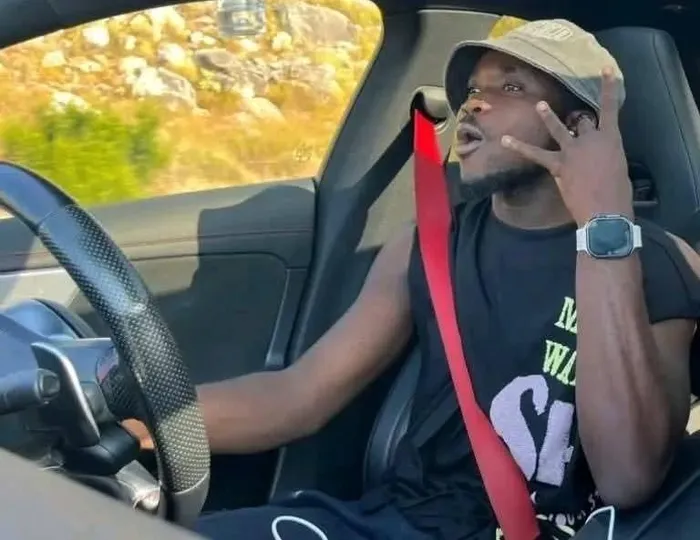
The family of murdered Bolt driver Isaac Satlat says the 22-year-old’s killing was an act of criminality, not xenophobia.
Image: Facebook
The National E-hailing Federation of South Africa (NEFSA) has also warned that profile sharing exposes structural weaknesses in the sector and increases risks for both passengers and operators.
In a response to IOL, the national spokesperson of NEFSA, Tella Masakale, urged drivers to refrain from account sharing and to comply strictly with in-app safety verification policies.
Masakale said driver safety requires proactive collaboration between platforms, regulators, law enforcement and operators themselves, particularly in light of recent violent incidents affecting the sector.
He encouraged drivers to install AI-enabled facial-recognition dashcams to deter and document criminal activity, fit panic buttons linked directly to law enforcement or emergency networks, and use rider ID verification and facial confirmation before and during trips.
Masakale also advised operators to monitor hotspot risk alerts, avoid flagged high-risk zones where possible, prioritise cashless payment methods, and display visible driver association membership identification with QR verification inside vehicles.
He said provincial regulatory emergency contact details should also be clearly displayed to enable passengers or observers to report unsafe or unlawful conduct.
“Driver safety remains non-negotiable,” Masakale said. “Collective action is essential to ensuring that no operator faces violence while earning a livelihood.”
As the investigation into Satlat’s killing continues, the public debate has exposed a deeper challenge confronting South Africa’s e-hailing sector: restoring trust in digital verification systems and ensuring that the person behind the wheel matches the identity on the screen.
jonisayi.maromo@iol.co.za
IOL News