


The SIU says four Home Affairs officials earning less than R25,000 per month received more than R16.3 million in direct deposits linked to visa and permit approvals.
Image: File/ SAPS
When the Special Investigating Unit presented its interim findings into corruption at the Department of Home Affairs, one recommendation stood out:
“The Department should consider vetting of all employees,” acting SIU head Leonard Lekgetho said.
The suggestion came after investigators laid out example after example of what they described as organised corruption inside the visa system.
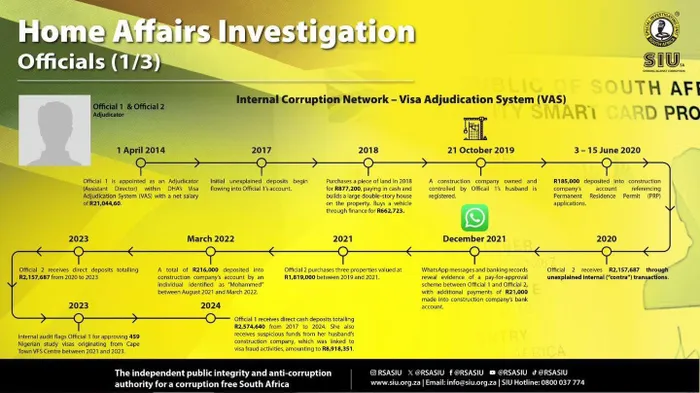
SIU graphic showing alleged cash deposits, property acquisitions and payments referencing Permanent Residence Permits linked to a Home Affairs adjudicator.
Image: SIU
“Another official accumulated so much wealth that she built a mansion and paved a road leading into her home on a monthly salary of R25,000,” Lekgetho said.
The SIU timeline showed unexplained deposits flowing into the official’s account from 2017 onwards. She allegedly purchased land for R877,200 in cash, financed a vehicle worth over R600,000, and saw funds linked to visa activities — including R185,000 referencing Permanent Residence Permit applications — flow through a construction company registered in her husband’s name.
Between 2017 and 2024, direct cash deposits totalling more than R2.5 million were allegedly made into her account, while over R8.9 million flowed through the spouse-linked company.
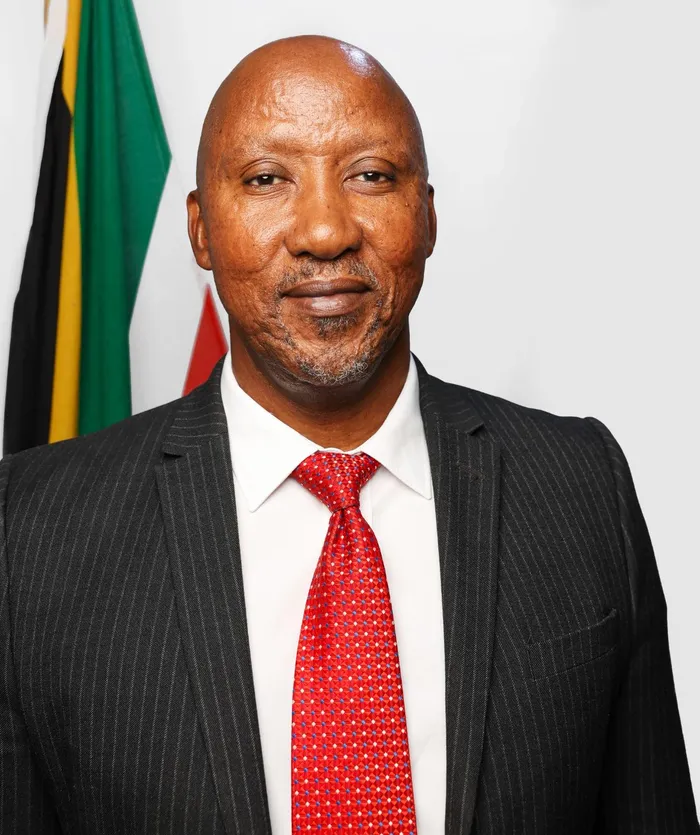
Leonard Gaoretelelwe Lekgetho was appointed as the Special Investigating Unit (SIU) new acting head.
Image: Supplied
The mansion case was not isolated.
Lekgetho said four officials earning less than R25,000 per month received a combined R16,313,327 in direct deposits.
The SIU described a “nefarious syndicate” of adjudicators allegedly approving visa applications via WhatsApp, with payments following almost immediately — often routed through spouses to disguise bribes.
“These transactions reveal a direct link between approvals and payments, leaving no doubt that permits were being sold,” he said.
Home Affairs has confirmed that administrative processes are underway to cancel those visas.
An internal audit flagged one official for approving 459 Nigerian study visas from a single VFS centre between 2021 and 2023.

PROBE: Nigerian rapper Prince Daniel Obioma, known as 3GAR
Image: Facebook/ IOL Graphics
The report went beyond internal bribery.
The SIU also investigated a Nigerian national linked to a high-profile McLaren crash in Cape Town. Prince Daniel Obioma, known as 3GAR, allegedly overstayed his visitor’s visa in 2023, departed the country, and later re-entered without a recorded movement entry.
Despite the absence of a record, he was later identified in the Sea Point crash involving a R3 million McLaren 570S.
The SIU said his unexplained re-entry highlighted “serious failures in border management and movement control systems.”
Employee vetting was only one part of a broader reform package outlined by the SIU.
The unit recommended that Home Affairs:
Strengthen contract management
Enforce an ethical culture and provide ethics training
Integrate systems across all processes and linked government departments
Develop clear, step-by-step verification guidelines
Strengthen verification before visas are issued
Introduce quality assurance measures prior to approvals
Improve integration between Home Affairs and the Department of Labour
Enforce compliance by companies sponsoring business visas
Lekgetho said system integration must take into account the interim findings and observations of the investigation.
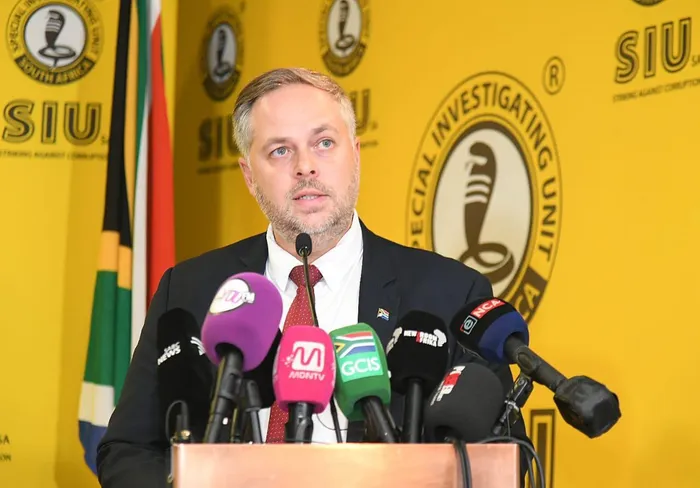
Home Affairs Minister Leon Schreiber says 20 officials have already been dismissed since April last year following disciplinary processes linked to visa corruption at the department.
Image: SIU
Taken together — unexplained wealth, internal syndicates, fraudulent visas, and border control gaps — the SIU’s findings suggest not just isolated wrongdoing, but structural vulnerability.
Vetting all employees would mean reviewing financial disclosures, conducting security clearances, and examining potential conflicts of interest across the department.
The investigation itself was authorised by President Cyril Ramaphosa under Proclamation 154 of 2024 and examined visa processes between 2004 and 2024.
Home Affairs Minister Leon Schreiber has already confirmed that 20 officials have been dismissed since April last year.
He has also pointed to digital reform — including the Electronic Travel Authorisation (ETA) system — as a long-term solution to reduce discretionary decision-making and close loopholes in manual processing.
“As important as exposure and accountability are, it is only through systemic reform… that we can definitively close the space for corruption,” Schreiber said.
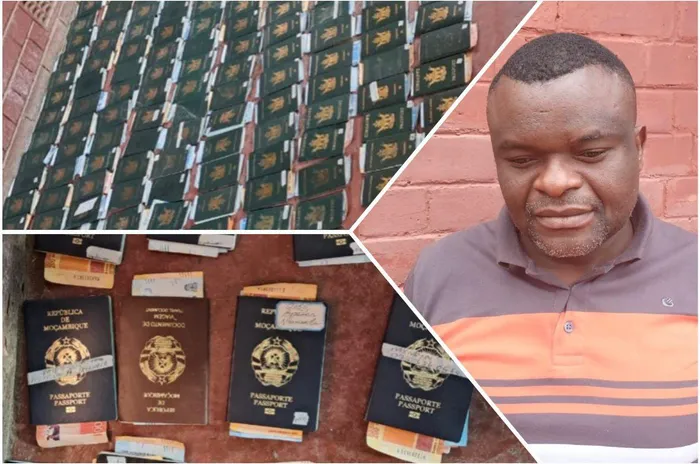
Zimbabwean national Edward Chitaizvi, was found with 582 passports and cash hidden in a bakkie, and was arrested
Image: SAPS
The SIU’s recommendation to vet everyone is less about punishment and more about restoring institutional trust.
After two decades of alleged maladministration, the question now is whether Home Affairs can move from exposure to reconstruction — and whether sweeping vetting is the first necessary step.
jonisayi.maromo@iol.co.za
IOL News