

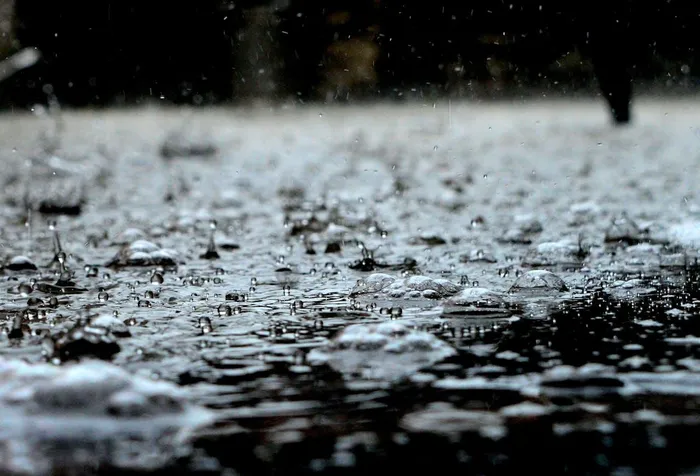
South Africans should prepare for a wetter-than-usual summer.
Image: Pexels
South Africans can expect a wetter-than-usual summer after several provinces recorded one of the wettest Octobers in recent years, according to the South African Weather Service (SAWS).
In a statement released on Wednesday, SAWS said October 2025 marked the start of the rainy season for the country’s summer rainfall regions — and it arrived with a bang.
Parts of Limpopo, North West, the Free State, and Mpumalanga saw rainfall totals far above their long-term averages, with some stations recording up to 10 times their normal October rainfall.
Among the highest readings were TshaKuma in Limpopo, which logged more than 1,000% of its usual rainfall, and Lichtenburg in the North West, which measured 243 mm, making it the wettest October there in 31 years.
“This year’s October rainfall brought widespread departures from typical patterns,” the Weather Service said. “Extreme rainfall events affected multiple provinces, particularly over the summer rainfall region.”
While these wet conditions are expected to persist in those regions, western and north-western parts of the country remained relatively dry, receiving less than 50 mm of rain, which is consistent with their usual climate for this time of year.
SAWS said the outlook for the rest of the summer season points to a continued trend of above-normal rainfall across much of the central and eastern parts of South Africa, accompanied by cooler daytime temperatures.
This means residents and local authorities should brace for more intense rain events in the coming months, with potential effects on agriculture, water management, and disaster preparedness.
“The data illustrate that October 2025 was one of the wettest Octobers on record,” the agency said. “With more rain expected, communities should remain weather-ready and climate-smart.”
Expect more wet days: Central and eastern provinces — including Gauteng, Limpopo, Mpumalanga, Free State, and KwaZulu-Natal — are likely to see regular showers and storms through the summer months.
Cooler temperatures ahead: Cloud cover and rainfall will bring slightly below-normal daytime temperatures, offering some relief from the heat.
Stay alert for flooding: With soils already saturated in some areas, heavy downpours could trigger flash floods or localised damage, particularly in informal settlements or low-lying regions.
Good news for water storage: Dams and reservoirs are likely to benefit from the sustained rainfall, improving water security in several provinces.
Farmers should plan accordingly: While increased rainfall supports crop growth, excess moisture could affect planting schedules, especially in maize and citrus regions.
IOL