

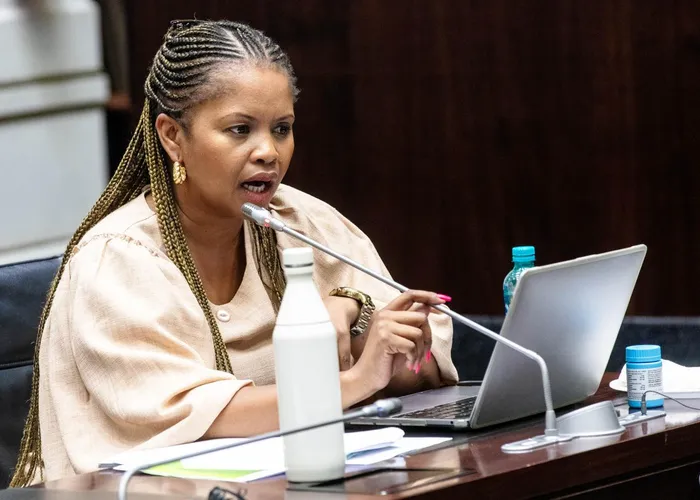
ANC's Khusela Sangoni-Diko.
Image: Parliament RSA/Supplied
While the presentations by Accountability Now and the African Policing Civilian Oversight Forum (APCOF) at the Parliament’s Ad Hoc Committee have been useful, the ANC’s Khusela Sangoni-Diko doesn’t support their view that a Chapter 9 institution for corruption should be created.
Parliament’s Ad Hoc Committee investigating allegations made by KwaZulu-Natal Police Commissioner Nhlanhla Mkhwanazi heard from civil society organisations that raised concerns about rampant corruption.
They appeared not as witnesses, but to give insights into the criminal justice system and make recommendations. The decision for their appearance before the committee came from the public submissions that were made to the committee.
Speaking before the committee on Tuesday, Advocate Paul Hoffman SC, director of Accountability Now, warned that South Africa’s criminal justice system remains deeply dysfunctional, undermined by corruption and a culture of impunity that continues to erode public trust.
Sangoni-Diko said the public participation was extremely valuable, and as Parliament, they were overwhelmed by the responses received.
“Today we're listening to civil society organisations, and those inputs are very valuable because, as Parliament, ultimately our report needs to speak to what are some of the institutional, legislative, and regulatory changes that need to be made.
“We do understand that, you know, other processes, such as Madlanga, including us, where we come with those recommendations, will speak to issues of further investigations, criminal investigations, but it's very important that we try and strengthen the system, insulate it against such incidents happening in the future. So we found these presentations valuable,” Sangoni-Diko said.
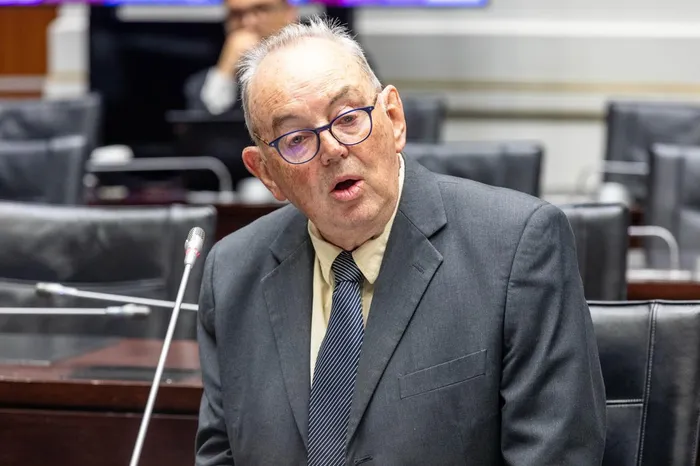
Accountability Now's Advocate Paul Hoffman SC.
Image: Parliament RSA/Supplied
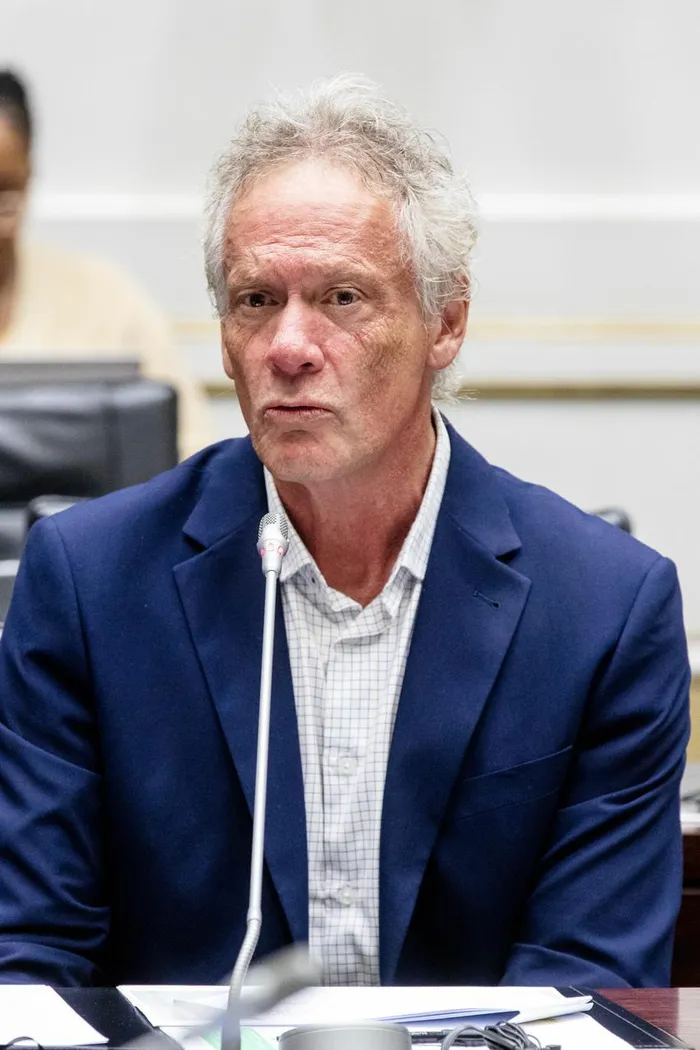
African Policing Civilian Oversight Forum's Sean Tait.
Image: ParliamentRSA/Supplied
She said that while the Accountability Now and APCOF presentation centred around the creation of a Chapter 9 body responsible for fighting corruption outside of what they call executive control, as the African National Congress, they “don't think that laws should be made around individuals”.
“We have said during this process that a lot of the accusations of political interference have seemed to be anecdotal. We need to understand whether this is really a systemic issue, and then how the law responds.
“We do not agree with the position that says that you need to take, for example, your prosecuting authority and make it independent from executive control, because you have executive oversight over these institutions. They can't just be a law unto themselves, but more than that, you cannot have a situation where institutions operate outside of policy guidance from elected representatives,” Sangoni-Diko said.
“The people vote for particular leaders to lead these institutions, and in the theory of democracy, say they are the representatives of the will of the people. I think it's a debate that is going to rage. It's not a new debate,” she said.
“We've also taken note of the fact that some of the suggestions are contained in the National Anti-Corruption Advisory Council (NACAC) report, which is the anti-corruption council that the president had established.
“The president has committed to implementing some of the recommendations. I think with civil society, we should be able to find one another in terms of a happy medium, but we totally do not agree that, you would say, such institutions operate totally outside of oversight by the executive.”
theolin.tembo@inl.co.za