

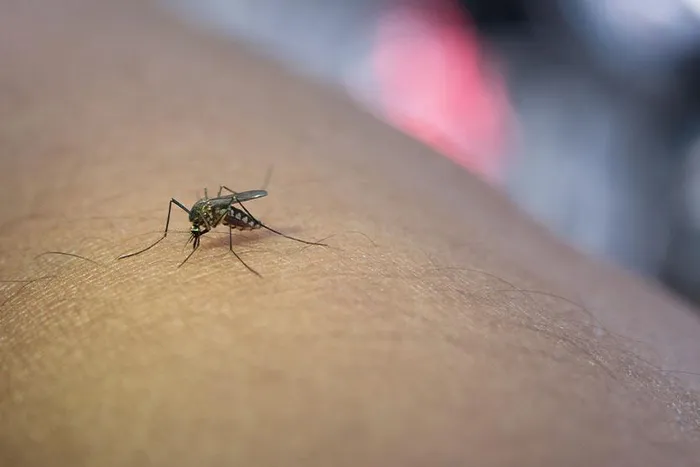
Standing floodwater in parts of Limpopo has created favourable conditions for mosquito breeding, raising the risk of malaria transmission.
Image: File
The risk of malaria transmission in Limpopo province has increased following heavy rains and flooding that have disrupted key prevention programmes and created ideal breeding conditions for mosquitoes, the provincial Department of Health has warned.
Since the start of the 2025/26 financial year on 1 April 2025, Limpopo has recorded 838 malaria cases and 12 related deaths, underscoring what health authorities describe as a persistent public health threat.
Indoor Residual Spraying (IRS), one of the province’s primary malaria prevention measures, began in November 2025 and is expected to run until March 2026, targeting about 1.1 million households, but ongoing rainfall and flooding have severely affected operations.
Spraying coverage currently stands at 48%, well below the anticipated 70% at this point in the programme, with around 30% of planned spraying days lost due to adverse weather conditions.
Department spokesperson Neil Shikwambana said while weekly malaria cases had so far remained below outbreak thresholds, an increase was expected in the coming weeks.
“Although weekly cases after the floods have remained stable, ranging between 17 and 36 cases per week, we anticipate a rise in infections towards late February as floodwaters recede and stagnant pools suitable for mosquito breeding form,” Shikwambana said.
He added that two malaria-related deaths had already been reported since the rains subsided, and urged residents to seek immediate medical attention if they experience symptoms such as fever, headache, nausea, diarrhoea or flu-like illness.
The department said it would intensify IRS operations as soon as conditions allow, while additional interventions such as larviciding and breeding-site reduction would be rolled out to curb mosquito populations.
Communities in malaria-prone areas have been urged to cooperate with spraying teams and to seek early treatment, as malaria is fully treatable if detected promptly.
jonisayi.maromo@iol.co.za
IOL News