

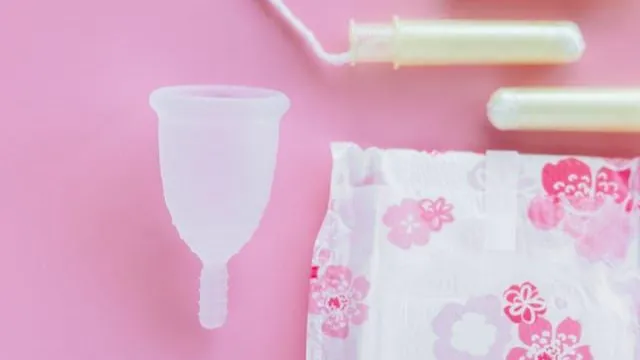
A study conducted by the University of the Free State uncovers hormone-disrupting chemicals in sanitary pads across South Africa.
Image: Nataliya Vaitkevich/pexels
A recent study by the University of the Free State has raised concerns after it found harmful chemicals to women’s health in sanitary pads and pantyliners.
According to the study, conducted in South Africa, certain sanitary pads and panty liners may contain harmful endocrine-disrupting chemicals (EDCs) such as parabens, phthalates, and bisphenols.
The research team, comprising Janine Blignaut, Dr Gabre Kemp, Professor Elizabeth Erasmus, Professor Visser, and Professor Marietjie Schutte-Smith, analysed 16 sanitary pad brands and eight pantyliner types widely sold in South African retailers.
They tested for three groups of EDCs:
The results found: bisphenols were detected in 100% of sanitary pads and 75% of pantyliners, while parabens were found in over 81% of pads. Phthalates, often used in plastics, were present in all pantyliners and 50% of pads tested.
The EDCs, like parabens, phthalates, and bisphenols, are substances that interfere with the body's hormonal system by mimicking, blocking, or altering the action of natural hormones. In women, these chemicals primarily impact reproductive health, developmental processes, and the risk of hormone-sensitive diseases.
Earlier this week, the National Consumer Commission (NCC) vowed to probe the explosive findings.
The spokesperson for the NCC, Phetho Ntaba, confirmed it is investigating nine sanitary pad suppliers.
“These EDCs are linked to health complications such as hormonal imbalance, infertility, endometriosis, and cancer. Millions of South African women and girls use these products monthly,” Ntaba said.
Based on this information, the NCC has initiated an investigation against the following suppliers whose products were apparently tested in the study:
Ntaba said the investigation aims to review and assess the suppliers’ compliance with the provisions of the Consumer Protection Act (CPA), in particular sections 55 and 24.
“The CPA states that consumers have the right to receive goods that are reasonably suitable for their intended purposes. Consumers also have the right to goods that are of good quality and in good working order. The goods must be free of defects and usable and durable for a reasonable time,” Ntaba said.
The NCC said it would require the suppliers in question to conduct tests on the affected products or provide their latest laboratory results that tested for EDCs, if any.
On Friday, the Parliamentary Portfolio Committee on Trade, Industry, and Competition said this matter came under the spotlight this week when the NCC briefed the committee on its financial and non-financial performance for the first three quarters of the 2025/26 financial year.
During the engagement, members of the committee sought clarity on reports that some sanitary pads and panty liners, marketed and sold as free from harmful substances, were found in a university study to contain hormone-disrupting chemicals.
The committee view the allegations in a serious light, given that these products are used daily by millions of women and young girls across the country. Any risk to their health, particularly from products marketed as safe, demands urgent and decisive action
Chairperson of the committee, Mzwandile Masina, said the committee supports a thorough and scientifically sound process that puts the health and safety of South Africans first.
“The NCC represents the issues of the people on the ground at any given time. When concerns are raised about products that affect the dignity, health and well-being of women and girls, we cannot look the other way. We welcome the investigation, and we expect it to be thorough, transparent and guided by credible science. The outcome must be in the best interests of South Africans and must restore public confidence,” Masina said.
Speaking to IOL previously, the founder of Palesa Pads, and menstrual health activist, Sherie De Wet, has consistently campaigned for safer, more transparent menstrual products in South Africa.
"My immediate reaction to the study was concern, but not surprise," she told IOL.
For her, the findings confirm what international researchers have been warning about for some time.
"The global scientific community has been detecting endocrine-disrupting chemicals in menstrual products for years."
"Transparency has been limited. South Africa currently has no specific regulatory requirement for full chemical disclosure in menstrual products, which means consumers cannot make fully informed comparisons,” De Wet said.
The alleged absence of mandatory disclosure is central to her activism.
For years, De Wet has called for full ingredient labelling, standardised screening for endocrine disruptors, and clear migration testing requirements.
It is her view that safety standards must extend beyond absorbency and physical performance to include rigorous chemical evaluation.
"We need mandatory full ingredient disclosure on packaging, including all chemicals used in manufacturing and any potential allergens,” De Wet said.
The reusable alternatives are also gaining traction:
While these alternatives are available, there is concern that it is not easily affordable as many young women across South Africa struggle to afford the cheapest sanitary pads currently on the market.
robin.francke@iol.co.za
IOL