

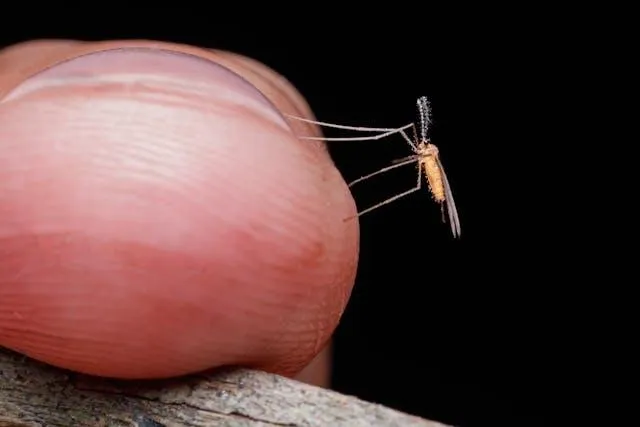
Health crisis deepens as malaria cases spike across Gauteng province.
Image: PEXELS
A worrying surge in malaria cases and deaths has gripped Gauteng, with health officials sounding the alarm over a rapid escalation in infections across the province.
"The Gauteng Department of Health (GDoH) has noted with concern a sharp rise in malaria cases and related deaths across the province."
Between January and March 2026 alone, hundreds of cases and 11 fatalities have already been recorded, marking a steep rise compared to the previous year.
"This represents a significant increase compared with the same period in 2025, which recorded 230 cases and one death," said the department.
The National Institute for Communicable Diseases (NICD) recognises the seriousness of the illness.
"Malaria is a potentially life-threatening disease caused by blood parasites of the genus Plasmodium, which are transmitted via the bites of infected mosquitoes," the institute said.
Signs of infection
The organisation further explained that malaria typically develops within about seven days after infection, although symptoms more commonly appear within 10 to 21 days in people without immunity or preventative medication.
In some cases, especially where preventive drugs or certain antibiotics have been used, the onset of illness may be delayed even longer.
Early symptoms are often vague and can easily be mistaken for other illnesses.
Fever and flu-like signs are among the most common, while adults may also experience severe headaches, chills, sweating, muscle pain, fatigue, weakness, stomach discomfort, nausea, vomiting, diarrhoea, loss of appetite, sore throat and coughing.
In young children, symptoms can be less specific, with fever, poor feeding, lethargy, vomiting, diarrhoea or coughing often presenting without the classic rigors or headache seen in adults.
The health experts cautioned that severe malaria can closely resemble a wide range of other conditions, including influenza, viral hepatitis, meningitis, sepsis, typhoid, gastroenteritis and even Covid-19.
The NICD warned that nearly half of the world's population is at risk of malaria, with certain groups particularly vulnerable.
These include young children in malaria-endemic areas who have not yet developed protective immunity, pregnant women who face increased risks of miscarriage and maternal death, and people living with HIV/AIDS.
International travellers from non-endemic regions are also at risk due to a lack of immunity, while immigrants originally from endemic countries may also be vulnerable when returning home, as immunity can weaken or be lost over time.
Treatment decisions, the NICD added, depend on several factors including how severe the illness is, the species of parasite involved, resistance patterns in the area where infection was acquired, and patient-specific factors such as age, pregnancy, underlying health conditions, allergies, other medications, and whether the patient is vomiting.
It also warned that treatment guidelines may change over time as drug resistance evolves and new therapies become available.
IOL News