

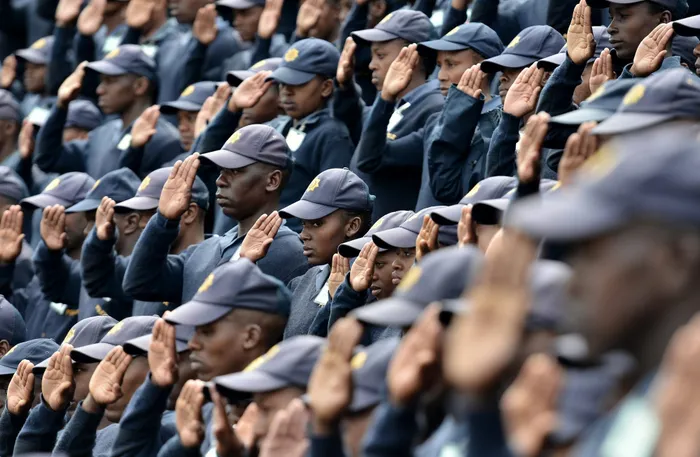
Experts call for the strengthening of the process for the appointment of senior police officials.
Image: Phill Magakoe / Independent Newspapers Archives
An independent policing expert has called for a revisit of the recommendations of the National Development Plan 2030 (NDP) on the appointment of national police commissioners and their deputies, which necessitate vetting from the top to ensure the highest positions are occupied by qualified and credible individuals.
This is because the South African Police Service’s (SAPS) national police commissioners continue to face suspensions, dismissals, or criminal investigations, often linked to organised crime, fraud, or political interference. From Jackie Selebi, Bheki Cele, Riah Phiyega, Khomotso Phahlane, Khehla Sitole, and now General Fannie Masemola.
Dr Johan Burger, an independent policing expert, stated that the challenge begins in the recruitment process, as the national commissioners are appointed by the president, and there is no application process for deputy national commissioner positions if there is an available vacancy.
He stated that deputy national commissioners, divisional commissioners, and lieutenant-generals and major generals are appointed by the national commissioner.
Burger stated that the appointment and promotion processes in the SAPS appear professional on paper, but in reality, there is more than enough evidence of manipulation, which is also mentioned in the NDP.
He said it is time to revisit the NDP on the appointment process of deputy national commissioners and divisional commissioners.
The NDP recommended the establishment of a national policing board, with multi-sectoral and multidisciplinary expertise to set standards for recruiting, selecting, appointing, and promoting police officials and police officers. The board would also develop a code of ethics and analyse the professional standing of policing, based on international norms and standards.
The NPD also recommended that the national commissioner of police and deputies should be appointed by the president on a competitive basis. A selection panel, established by the president, should select and interview candidates for these posts against objective criteria.
“The president should appoint the national commissioner and deputies from recommendations and reports received from this selection panel. This would enhance the incumbents’ standing in the eyes of the community and increase the respect accorded to them by their peers and subordinates,” reads the NDP.
Burger stated that the NDP also suggests a vetting process right from the top, a comparison of the requirements of the post to see whether the senior officials who occupy the positions qualify.
Professor Nirmala Gopal, a senior criminology lecturer at the University of KwaZulu-Natal, said allegations connecting commissioners to organised crime highlight two significant problems, where there is the potential for individuals in these positions to misuse their authority for personal benefit.
“Additionally, the role itself provides access, influence, and sensitive information, which can be appealing to criminal networks, particularly in environments where oversight is lacking. Continuous examination of senior leadership within the South African Police Service (SAPS) can significantly affect the organisation’s overall morale,” Gopal said.
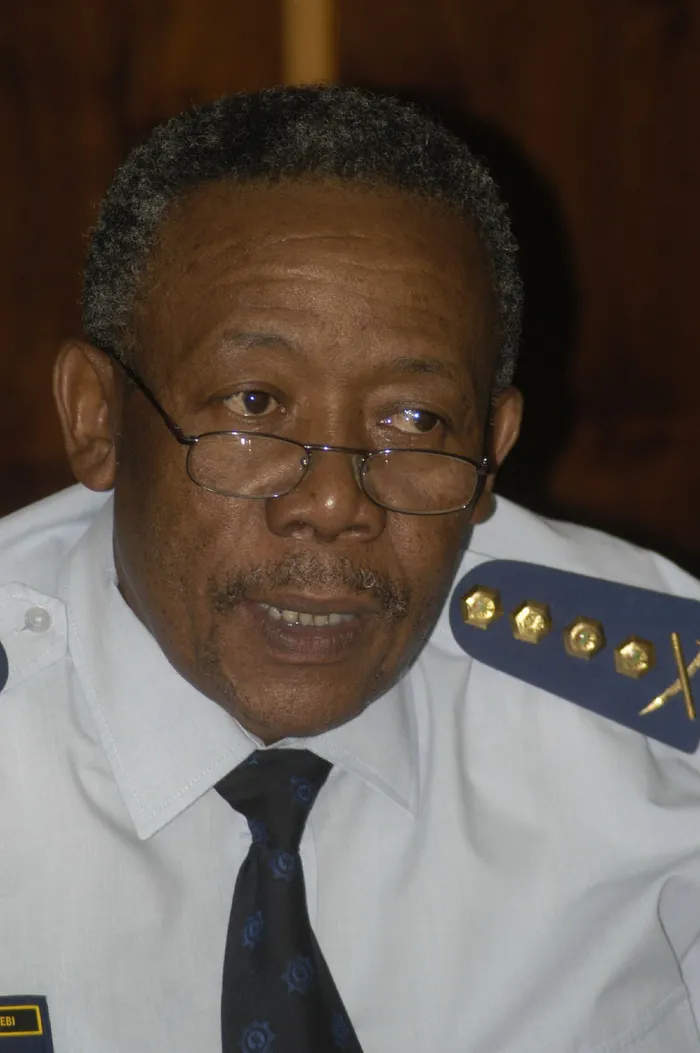
Former National Police Commissioner Jackie Selebi.
Image: Etienne Creux / Independent Newspapers Archives
Jackie Selebi (2000-2009)
Selebi was suspended in 2008 and convicted of corruption linked to drug trafficker Glenn Agliotti. Agliotti testified to paying Selebi over R1.2 million in bribes for protection, including confidential police intelligence. Selebi was convicted in 2010 and got a 15-year prison sentence, only to be released on medical parole in 2012 due to health issues.
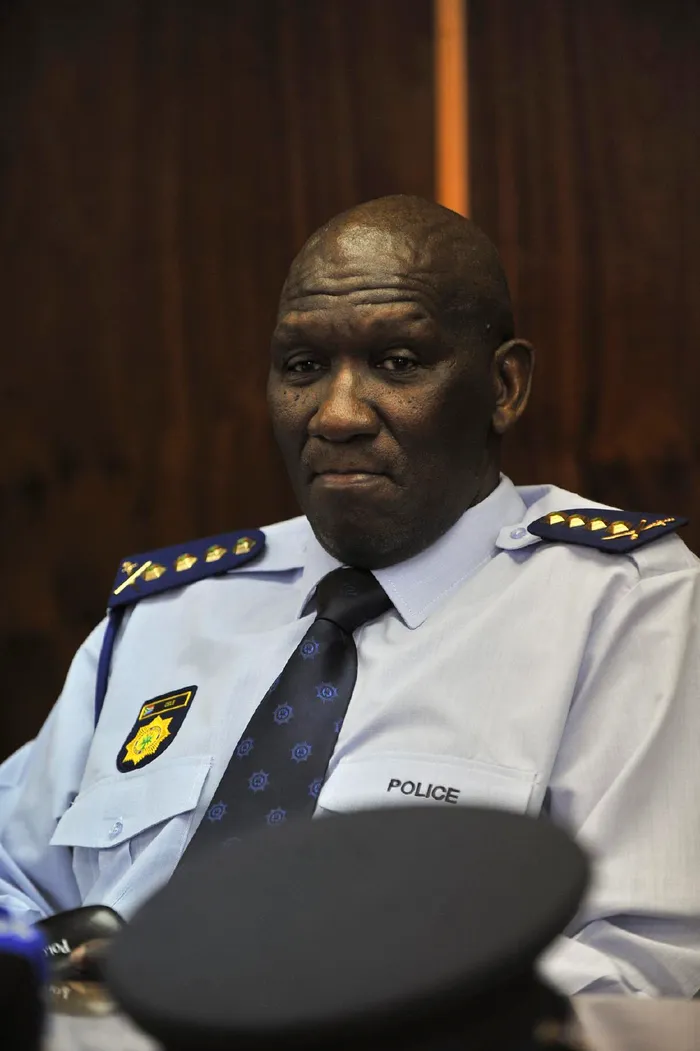
Former National Police Commissioner Bheki Cele.
Image: Masi Losi / Independent Newspapers Archives
General Bheki Cele (2009-2011)
Cele’s dismissal was in June 2012 over procurement irregularities linked to two major lease agreements for police office space, totalling approximately R1.7 billion. In 2019, the Gauteng High Court, Pretoria, overturned the earlier findings of the Moloi Board of Inquiry.
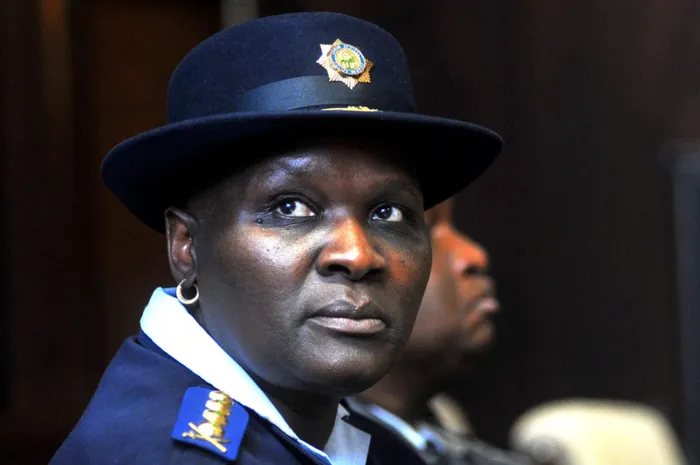
Former National Police Commissioner Riah Phiyega.
Image: Bheki Radebe / Independent Newspapers Archives
Phiyega (2012-2015)
Phiyega was removed primarily due to her poor leadership and conduct during the Marikana crisis, as highlighted by the Farlam Commission of Inquiry, which resulted in the deaths of 34 miners, and showed a lack of integrity and management skills in subsequent investigations and communications.
Additionally, she was accused of misleading Parliament concerning the suspension of Richard Mdluli, the former head of Crime Intelligence.
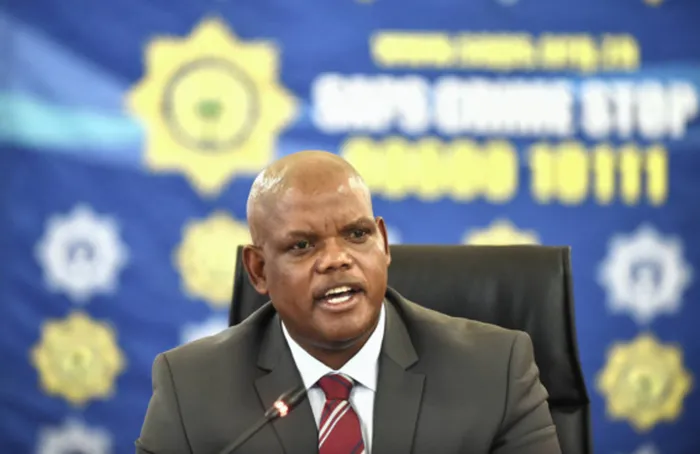
Former Acting National Police Commissioner Khomotso Phahlane.
Image: Thobile Mathonsi / Independent Media
Phahlane (2015-2017)
Phahlane served as the acting national commissioner from October 2015 to June 2017. His exit from the position and subsequent dismissal from the SAPS in July 2020 were due to allegations of misconduct and corruption, which affected his suitability for office.
He was convicted of dishonest conduct concerning the procurement of surveillance cameras for the police's Forensic Services division, which he had previously led.
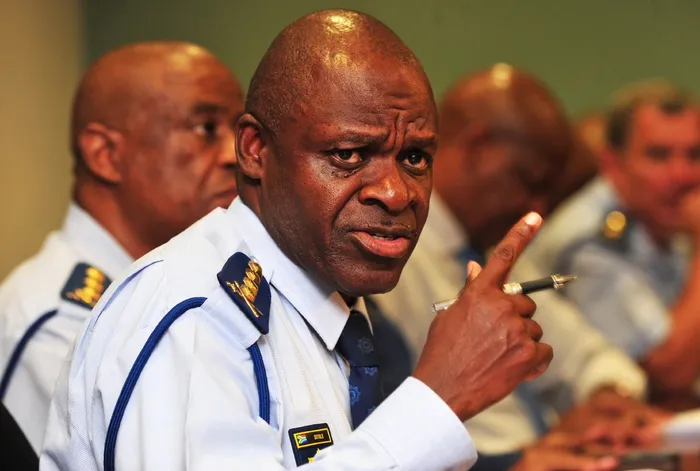
Former National Police Commissioner Khehla Sitole.
Image: Phando Jikelo / Independent Newspapers
Sitole (2017-2022)
In March 2022, Sitole left the SAPS following a mutual agreement with President Cyril Ramaphosa. His removal was influenced by a January 2021 Gauteng High Court ruling that highlighted his and his deputies’ lack of cooperation with the Independent Police Investigative Directorate concerning an investigation into a R45 million procurement deal for surveillance devices during the 2017 ANC conference.
Sitole also faced criticism for SAPS’s failures in intelligence and operational readiness during critical events, including the July 2021 riots and the assassination of key officers.
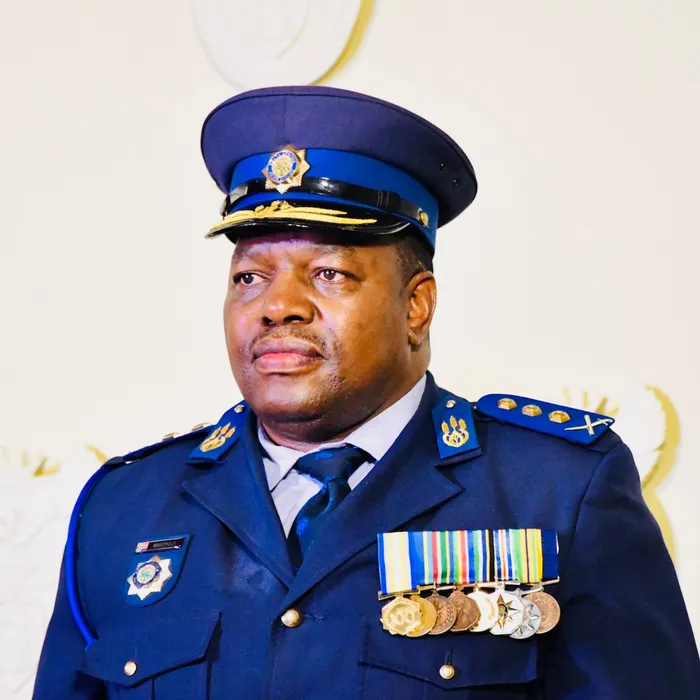
National Police Commissioner Fannie Masemola.
Image: Siyabulela Duda / GCIS
Masemola (2022 to date)
Masemola is under pressure to resign after appearing in court on April 21, 2026, facing four counts of violating the Public Finance Management Act related to a R360 million contract awarded to Medicare24.
He is also accused of protecting corrupt officers and accepting a R5 million bribe to prevent an arrest, allegations he denies.
gcwalisile.khanyile@inl.co.za