

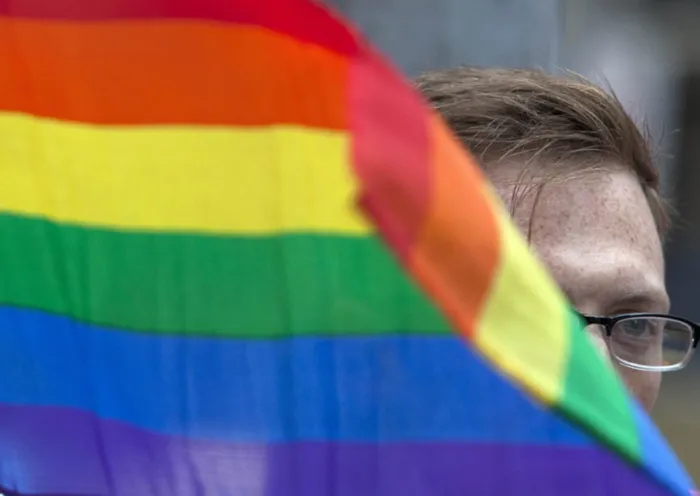
Belgrade - The future of Belgrade's second gay pride parade, scheduled for Sunday, seemed uncertain on Friday after threats of violence from extremist groups and a lack of support from the authorities.
Friday's daily Blic quoted Interior Minister Ivica Dacic as saying that the security assessment ahead of the parade was “quite serious and grave.”
“In my opinion, if the threats persist, it should absolutely not take place,” he said.
The pride parade is due to start on Sunday at 10am (08.00 GMT) in central Belgrade. Around 5 000 police officers, including riot police, are expected to seal the parade off from the rest of the city, with plainclothes officers patrolling elsewhere.
A year ago, the first-ever pride parade in Belgrade was marred by clashes of thousands of extremists with 5 000 police protecting the gays and their supporters.
More than 100 people were arrested and dozens of police injured by flying rocks and firebombs. Central Belgrade was ransacked and many designer stores looted in day-long fighting.
The authorities can ban a scheduled public gathering up to 12 hours before it is due to start. The daily Press wrote: “Chances are strong that Dacic will ban the parade and all other events” - those being four anti-gay demonstrations also planned for the weekend.
A protest called by the far-right organisation Obraz, supported by violent groups of hooligans, has been called for Sunday roughly at the same time as the pride parade.
Belgrade Mayor Dragan Djilas, one of the leaders of the ruling Democratic Party, also made his disapproval of the parade clear.
“I appeal to organisers of all these events to abandon them,” he said.
One of the parade organisers, Goran Miletic, said the calls from officials to cancel the event shocked him because they were giving equal credibility to the attackers and their target.
Calls among Serbian politicians to cancel the pride parade have grown in frequency despite Western European ambassadors in Belgrade urging authorities to enable and secure it properly.
Most politicians in traditionalist Serbia, which is heavily influenced by the ultra-conservative Orthodox Church, have been vague about their support of gay rights.
“The government never considered this question, nor the question of those who want to protest,” Prime Minister Mirko Cvetkovic said Thursday, referring to the parade and the protests against it. - Sapa-dpa