

How the Bahá'í Faith Elevates our understanding of human rights.
Image: Ron AI/Independent Media
Human rights are an expression of our God-given rights, which are now recognised, but not yet put into practice in many parts of the world. Human rights can only gain a social status when they become moral values and are maintained as a necessary quality of human relationships.
In the Bahá’í view, a genuine commitment to human rights will only be possible through recognition of the oneness of humanity. The recognition of our oneness, as members of one human family, gives rise to an elevated concept of human rights, one that includes the assurance of dignity for each person, and the realisation of each individual's potential.
The recognition of our oneness is the most potent means of emancipating humanity from the oppressive forces that have made human rights a universal longing. It is essential that an equal standard of human rights be applied to all, and that every individual member in our communities be given equal opportunities.
The principle of the oneness of humanity is closely related to, and is a prerequisite for, the establishment of justice towards all. For justice to prevail, every member of society needs to respect and protect the rights of the others in our communities. At the same time, there is a need for a new, more just, global order that promotes an atmosphere of international cooperation, founded on the mutual interests of humanity.
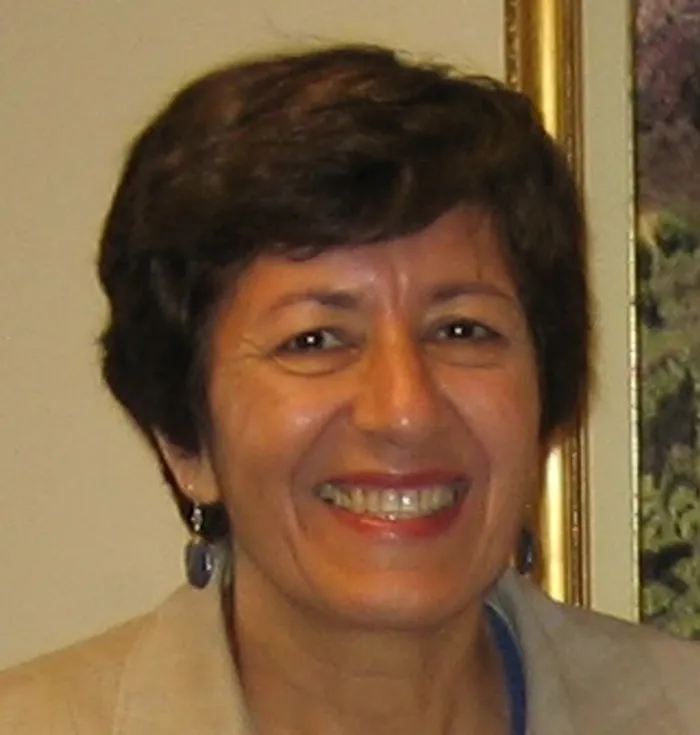
Flora Teckie is a professional architect, a Bahá’í Faith follower, and spiritual columnist.
Image: Supplied
The Bahá’í International Community says: “The source of human rights is the endowment of qualities, virtues and powers which God has bestowed upon mankind without discrimination of sex, race, creed or nation” and “Everyone, individually as well as in association with others, has the right and responsibility to promote the well-being, and respect for the rights, freedoms, identity and human dignity, of all other members of his or her local and national communities, as well as the international community, and to promote the well-being and respect for the identity of these communities as a whole”.
Lack of access to education is one of the reasons that people fail to recognise their abilities, talents, capabilities, as well as their rights. In order to promote human rights and its application, there is need for universal access to quality education. Part of that education must include the teaching of fundamental human rights.
According to the Bahá'í International Community, "education in fundamental human rights sensitizes individuals to the rights of others. It encourages each person to develop a personal commitment to building a broader sense of community. Such education is necessary not only to ensure that knowledge of human rights will be disseminated generally, but also to help build a durable, supportive social order in which human rights are a day-to-day reality for every individual”.
Our children must be taught about the value of human life, of personal integrity, and of respecting the rights of everyone. They should be taught about their own rights and liberties, while being taught to respect and protect the human rights and liberties of others.
For feedback please contact: tshwane@bahai.org.za; or call 076 582 3879. Websites: www.bahai.org, www.bahai.org.za