Building Unity in Diverse Communities: Insights from the Bahá'í Faith
COMMENT
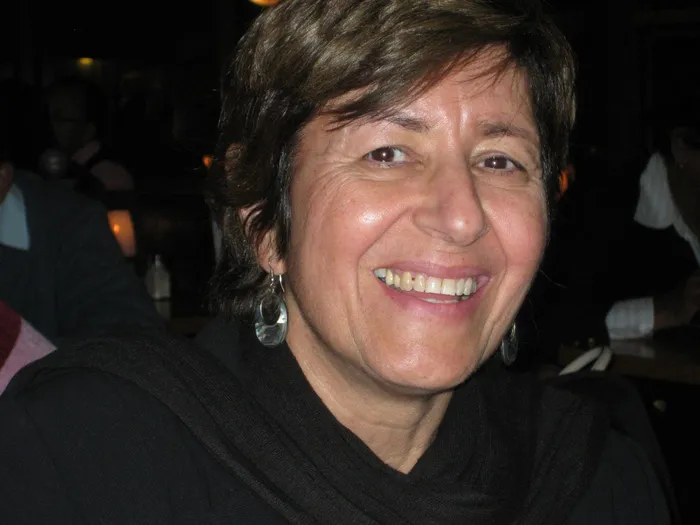
Diverse communities can thrive through understanding and cooperation, states the writer. She shares ideas on overcoming prejudice and fostering harmony in our neighbourhoods.
Image: SUPPLIED
Diversified communities are no longer an exception but the norm. Yet living side by side does not guarantee understanding and harmony. One of the most pressing challenges facing us is how to overcome the many kinds of prejudice that persist – whether racial, national, religious, class, creed, or gender-based.
Racism, xenophobia and other kinds of discrimination continue when people of different backgrounds live side by side in social spaces, without the opportunity for meaningful interaction.
The Bahá'í International Community states: “An irreplaceable component of any strategy to overcome racism requires giving attention to the broader dynamics of community life in neighbourhoods. Within neighbourhoods, individuals from various backgrounds need opportunities to come together to define and engage in shared projects that contribute to its moral, intellectual and material well-being. In sum, residents of a neighbourhood or village nurture a sense of belonging and build up the resolve to eradicate prejudice when they are able to cooperate, contribute and become protagonists in their local reality. It is through such co-participation that diverse perspectives are encountered, meaningful bonds are forged, and the dignity and capabilities inherent to all are made manifest”.
We are all members of one human family. The foundations of peaceful co-existence must begin from inside our homes and from our neighborhoods. It should begin by newfound friendships, seeing no one as a stranger but everyone as God’s wondrous creation.
It starts by recognising that it is the rich diversity of human talents among individuals, as well as humanity's varied and rich experiences, cultures, and viewpoints that contribute to the human family's well-being and progress.
The Bahá’í Writings emphasize that we should “Associate with each other, think of each other, and be like a rose garden. Anyone who goes into a rose garden will see various roses, white, pink, yellow, red, all growing together and replete with adornment. Each one accentuates the beauty of the other. Were all of one colour, the garden would be monotonous to the eye. If they were all white or yellow or red, the garden would lack variety and attractiveness; but when the colours are varied, white, pink, yellow, red, there will be the greatest beauty”.
Bahá'u'lláh, the founder of the Bahá'í Faith, compared the world to the human body, to which we can look as a model. Our communities are composed, not only of a mass of diverse people, but of associations of individuals, each one of whom is bestowed with intelligence and will.
The main principle operating in the human body is that of unity in diversity. This diversity of form and function is necessary for the life of any complex, well-developed organic entity, such as a human being. No cell lives apart from the body, whether in contributing to functioning of the body or benefitting from the well-being of the whole.
In the same way that the perfect functioning of the human body is due to the unity of diverse cells and organs, the well-being and well-functioning of the body of humankind depends on the unity of its diverse elements – of all races, nations, religions and ethnic groups.
Each individual can contribute towards creating harmonious communities, by an awareness that we all belong to one human family, created by one Almighty God. And by dedicating ourselves to promoting the well-being of all.
For feedback please contact: secretary.nsa@bahai.org.za or (011) 801 3100.
Websites: www.bahai.org, www.bahai.org.za