A Bahá'í Perspective on Justice: the cornerstone of a united world
COMMENT
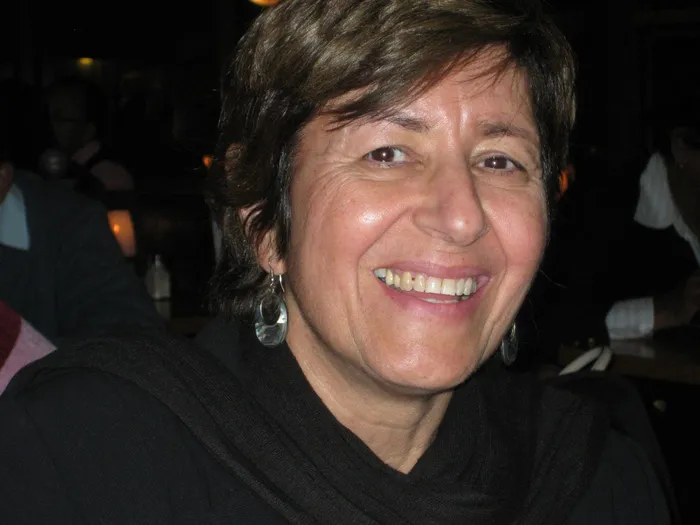
Justice can play a vital role in fostering global unity and equality,states the writer as she highlights the World Day of Social Justice on Friday, February 20.
Image: SUPPLIED
Despite the many challenges humanity is facing today, there is a passionate desire for unity, and for a civilization built on love and respect. But global unity and peace cannot be achieved without justice, and the observance of equal rights and opportunities for everyone.
As we observe the World Day of Social Justice on 20th February, it is timely to contemplate the role of justice in building a united world.
Justice and unity are reciprocal in their effect. "The purpose of justice", wrote Bahá'u'lláh, the founder of the Bahá’í Faith, "is the appearance of unity among men”. He further stated that: “No light can compare with the light of justice. The establishment of order in the world and the tranquillity of the nations depend upon it”.
Justice is vital to the establishment of unity and harmony at all levels of society, as it provides the standard by which individual conduct and collective efforts are judged.
Social justice implies equality before the law, equal opportunity, and a more equitable management and distribution of wealth. Currently, however, the moral codes and values, based on sectarianism and prejudices that place one group above the other, cannot lead us to social justice for all.
To eliminate injustices such as racism, religious prejudice, gender-based prejudice, and xenophobia, we must wholeheartedly embrace the concept of oneness of the human family and treat everyone with dignity and respect.
The Bahá'í Writings state:“…we must lay aside all prejudice -- whether it be religious, racial, political or patriotic; we must become the cause of the unification of the human race. Strive for universal peace, seek the means of love, and destroy the basis of disagreement so that this material world may become divine, the world of matter become the realm of the Kingdom and humanity attain to the world of perfection”.
Achieving justice towards every member of the human family, and building a united and peaceful world cannot become a reality without embracing human diversity. It is the requirement of justice that everyone is treated as equals, from whatever background they may be. Not by suppression of differences will we arrive at unity, but rather, by an increased awareness of, and respect for, the values of each culture, and indeed of each individual.
Justice is not only punishing the wrongdoers, as people often view it. It is “the practical expression of awareness that, in the achievement of human progress, the interests of the individual and those of society are inextricably linked…. Concern for justice protects the task of defining progress from the temptation to sacrifice the well-being of the generality of humankind – and even of the planet itself – to the advantages which technological breakthroughs can make available to privileged minorities. In design and planning, it ensures that limited resources are not diverted to the pursuit of projects extraneous to a community's essential social or economic priorities”, says the Bahá'í International Community, in a statement entitled ‘The Prosperity of Humankind’.
We will also need a “just legislation in accord with the Divine laws which guarantee the happiness of society and protect the rights of all mankind, …laws insuring the integrity of the members of society and their equality before the law”.
Thus, justice is a cornerstone of a united world. Social justice also implies the right of everyone to live in dignity in a prejudice-free, just and united world.
For feedback please contact: secretary.nsa@bahai.org.za or (011) 801 3100
Websites: www.bahai.org, www.bahai.org.za