Family-friendly safaris in Pilanesberg - what to know before you go
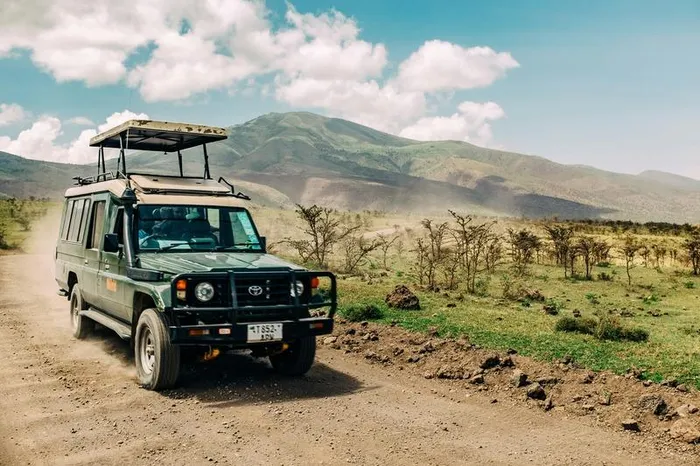
Image: Supplied
Planning a safari with children may be daunting, but Pilanesberg National Park makes it easy and exciting. Located within easy reach of Johannesburg and Pretoria, this malaria-free game reserve is one of South Africa’s top choices for family-friendly wildlife experiences.
Pilanesberg is a true gem for first-time safari-goers, as it offers all the thrill of spotting Africa’s Big Five in a setting that’s safe, accessible and surprisingly affordable. With over 200 kilometres of drivable roads, the park caters exceptionally well to self-driving visitors. Most routes are tarred, which makes them ideal for families travelling in standard vehicles, and the terrain is gentle enough for even the youngest passengers to enjoy a smooth ride.
Let’s see what you need to know before embarking on a Pilanesberg safari:
The park is home to an impressive variety of animals. Families can look forward to regular sightings of elephants, rhinos, giraffes, hippos and zebras. Lions and leopards require a bit more patience, but even shorter drives are often rewarded with wildlife close to the road.
Bird lovers can spot more than 300 species, and several hides around waterholes offer quiet viewing spaces where kids can observe nature at their own pace.
The park accommodation truly caters for families. Many lodges and resorts are designed with children in mind, offering everything from babysitting services and playgrounds to family chalets and swimming pools.
Some lodges allow children of all ages on game drives, while others offer mini-ranger programmes and nature walks tailored for young explorers. These activities are not only fun but also educational, sparking curiosity about wildlife and conservation in an age-appropriate way.
For families on a tight budget, the park features self-catering chalets, tented camps and even campsites. These options offer flexibility in meal planning and more space for families to spread out. Most of these budget-friendly accommodations still provide access to pools, restaurants and communal areas, so you don’t need to sacrifice comfort while saving on costs.
Timing your visit is important. The dry winter months, especially April, May, August and September, are excellent for wildlife sightings, as animals gather around water sources and vegetation is sparse. These months are cooler and more comfortable for children, particularly on early morning or late afternoon drives.
The summer months are lush and green but can be hot, humid and prone to short thunderstorms. They do, however, bring newborn animals and vibrant birdlife.
Packing correctly can make or break a family safari. Essentials include sunscreen, wide-brimmed hats, insect repellent, refillable water bottles, light jackets for cool mornings, and comfortable walking shoes. It’s also helpful to bring binoculars and wildlife checklists to keep younger children engaged. Many lodges provide extras like baby cots, highchairs and kid-friendly snacks, but it’s wise to check this when booking.
Regarding safety, there’s no need for medication, as a malaria-free zone, which is a huge relief for families with small children.
Other than that, basic safari rules apply, like staying inside your vehicle unless at designated picnic spots, keeping noise levels down when viewing animals, and always following the guidance of your ranger. Most lodges are fenced or well-monitored, adding another layer of security.
Booking in advance is strongly recommended, particularly during South African school holidays. Family units and child-friendly lodges fill up quickly, so plan your trip several months ahead. Consider combining your stay with a visit to nearby Sun City for added variety, especially if you’re travelling with older children or teens who enjoy water parks and adventure activities.