

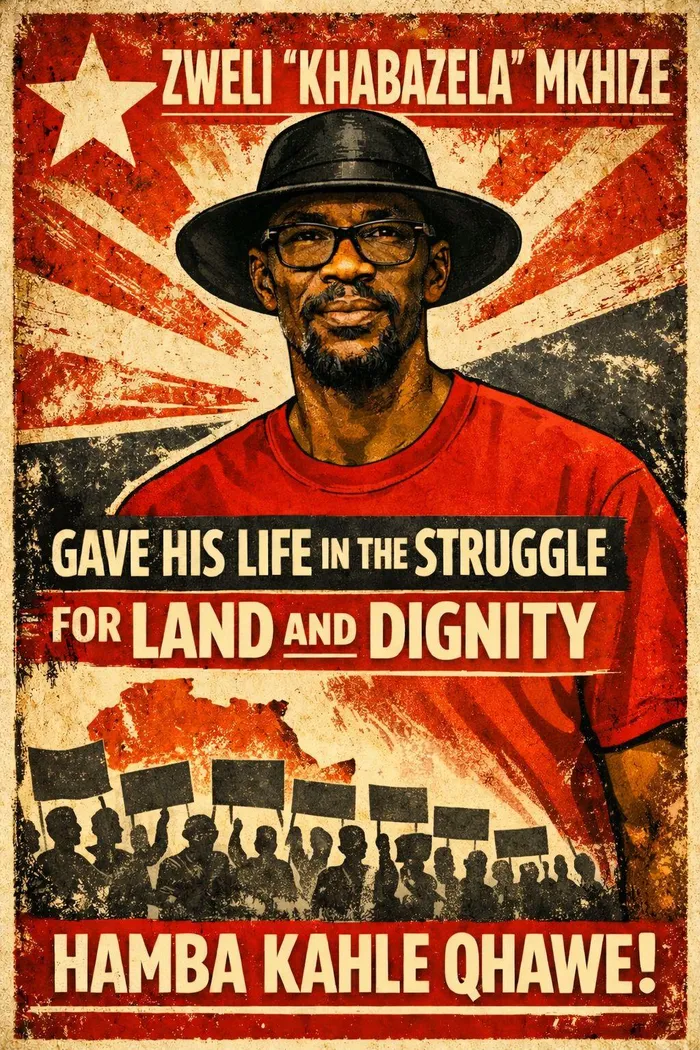
Activists mourn the death of Abahlali baseMjondolo leader, Zweli Mkhize
Image: Abahlali baseMjondolo
The Economic Freedom Fighters in Emfuleni have pledged their solidarity with residents of the Hollywood informal settlement, as the residents attended an eviction case against Matlo projects at the Sebokeng Magistrate's Court on Tuesday morning.
The party says every citizen must have shelter and none must be left on the streets.
Meanwhile,South African workers' organisations mourn the passing of Zweli "Khabazela" Mkhize, the treasurer of the eNkanini branch of Abahlali baseMjondolo.
Mkhize was fatally shot on Thursday evening during a social visit in the eNkanini settlement in Ellandale, Gauteng.
The General Industries Workers Union of South Africa (GIWUSA) said: "Mkhize did not die alone, but his death is a devastating loss for the poor and the dispossessed of our country".
GIWUSA President, Mmametlwe Sebei, said: "Khabazela is the latest in a long line of Abahlali baseMjondolo leaders to be silenced by assassins' bullets. This endless wave of killings targeting the movement's leadership represents a war against the poor waged through the barrels of guns."
Sebei said the political establishment is responsible for Mkhize's killing and many other killings: "We state clearly and without equivocation: we hold the political establishment responsible for this death. Whether they orchestrated it directly or not, they bear full responsibility for creating the conditions in which such assassinations have become commonplace."
"The political establishment is responsible for the horrific conditions in informal settlements across this country, conditions marked by intolerable levels of criminal violence, poverty, and abandonment. Their ongoing criminalisation of the movements of the poor who dare to resist these conditions has created a climate of persecution. The state's repeated violent evictions, its refusal to engage meaningfully with organisations of the poor, and its portrayal of these movements as illegitimate have all contributed to making leaders like Khabazela targets," he remarked
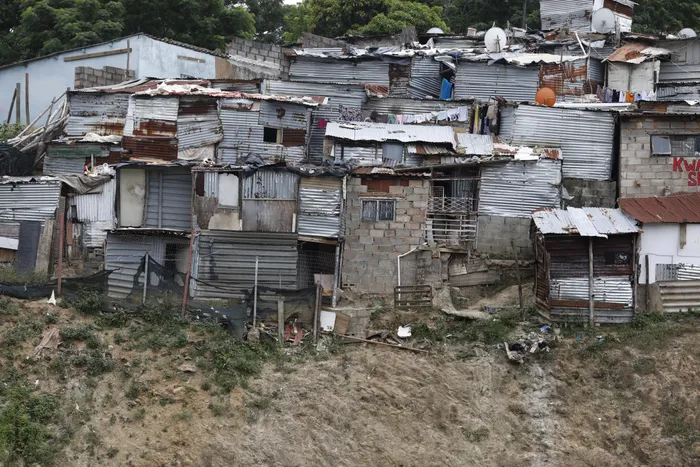
UNEMPLOYMENT and desperation has driven hundreds of South Africans to place themselves in harm's way in a precarious informal settlement. Residents face daily threats from illegal electricity connections, treacherous terrain, and extreme weather.
Image: DOCTOR NGCOBO Independent Newspapers
The South African Federation of Trade Unions(SAFTU) has expressed similar sentiments saying killings are becoming rampant by the day, SAFTU spokesperson Newton Masuku said:" This killing is not an isolated incident. It forms part of a disturbing and unacceptable pattern of assassinations targeting Abahlali baseMjondolo leaders and community activists across South Africa.
Over the past decade, numerous leaders of this movement have been murdered under similar circumstances. These assassinations expose the brutal reality that activists who stand up against corruption, land dispossession, housing injustice, and local elite patronage networks often face intimidation, violence, and death.
The working class and the poor are being told, through bullets, that their lives and their democratic rights are disposable.
This is a damning indictment of the state’s failure to protect activists and uphold the constitutional rights to organise, protest, and participate in democratic life without fear of assassination
Masuku said this is a result of the state's failure and impunity:" SAFTU condemns the culture of impunity that allows these assassinations to continue without consequence. In far too many cases, the perpetrators, the planners, and those who benefit politically and materially from these killings are never arrested or prosecuted.
This raises serious questions about the failure of law enforcement agencies to investigate political assassinations with urgency and seriousness; the possible involvement of local power brokers threatened by democratic grassroots organising, the broader environment of lawlessness, corruption, and violence that has taken root in many communities."
"The assassination of Comrade Khabazela is an attack on the entire working class, the unemployed, shack dwellers, and all those who struggle daily for land, housing, water, electricity, and dignity. It is an attempt to intimidate and silence those who refuse to accept the unbearable conditions imposed by poverty, inequality, and state neglect. A democracy cannot function when community leaders are silenced by bullets, a society cannot call itself free when the poor are murdered for organising themselves.
History has taught us that violence against grassroots leaders is often used to protect corrupt interests, maintain unjust power relations, and suppress legitimate democratic demands." remarked Masuku
Masuku continued to say they demand that the government and law enforcement agencies Immediately launch a full, independent, and transparent investigation into the assassination of Mkhize, arrest and prosecute not only the gunmen but also those who planned, ordered, and financed this assassination, provide protection to Abahlali baseMjondolo leaders and other community activists facing threats, publicly report on progress in investigating political assassinations of community leaders across the country, take decisive action to dismantle the networks of violence, corruption, and intimidation operating in communities.
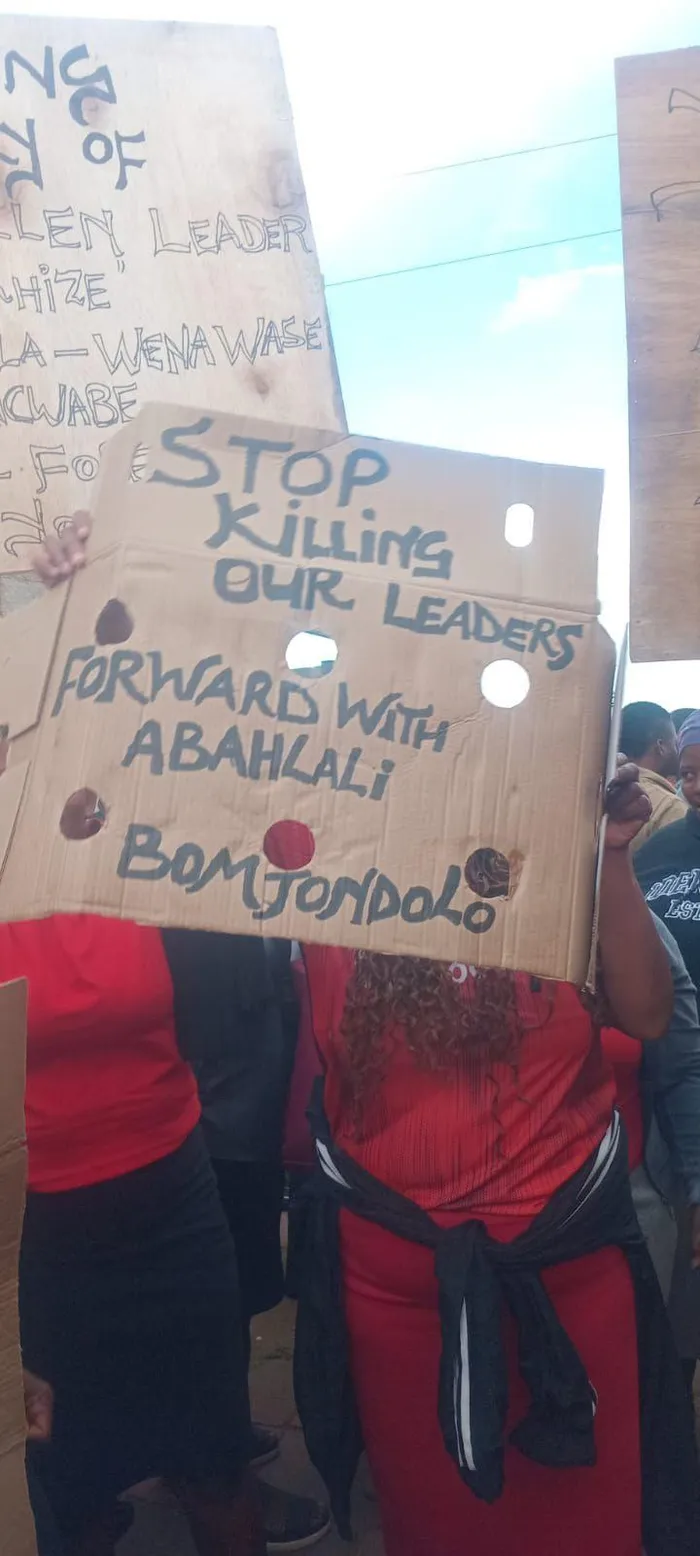
Members of Abahlali baseMjondolo calling for the stop of activist killings
Image: Abahlali baseMjondolo
Speaking to IOL news about the incident, political analyst Goodenough Mashego said, " The most famous politically motivated killing in South Africa is that of Chris Hani in 1993, and they've happened after that, not only in KwaZulu-Natal but all over the country. Mpumalanga is sitting on a very large number of people who have been killed before 2010, most of whom were political killings and none have been solved.
Mkhize was killed for daring to demand proper shelter and housing for people who can't afford it on their own, as enshrined in section 26 of the South African constitution, which states that "everyone has a right to have access to adequate housing".
According to Mashego, Mkhize was killed because he stood up for residents who are subjected to inadequate housing.
"I think every political killing must be understood through the context of the establishment of the Political Killings Task Team and its broad mandate", he said.
According to Mashego, it is not very difficult to tell who may have wanted Mkhize dead: "This should be looked at from the angle of people who want to acquire land for development versus people who want land for occupancy, because abahlali has been at it for the longest time, representing people who lack representation, like those without proof of resident as required to access some services.
"I think there might be people who are upset with the work of Abahlali, the killing itself says to us. Suspended Police Minister Senzo Mchunu's decision to disband the PKTT was uninformed, political killings happen all the time, usually before elections, and the decision to dissolve is questionable."