

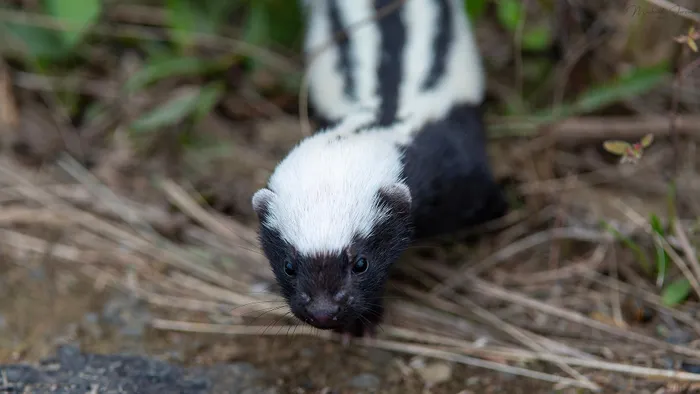
The African striped weasel has a sleek black face, while the striped polecat sports distinctive white facial markings.
Image: Michael Jordan
In a unique collaboration between academia and community, Kyle Smith, a dedicated doctoral candidate at the University of Pretoria, is seeking assistance from the public to uncover the mysteries surrounding one of Southern Africa's most elusive small carnivores, the African striped weasel. Smith’s call for citizen scientists is not simply an appeal for data, but a rallying cry to protect a species that remains shrouded in obscurity.
The African striped weasel (Poecilogale albinucha) is characterised by its striking black-and-white fur and a secretive, nocturnal lifestyle. Experts believe that its stealthy nature and solitary habits contribute to its rarity in sightings, leading to a substantial gap in knowledge about its behaviour and ecological role. Smith is particularly keen to gather reports of the weasel’s presence in arid, desert-like areas, as well as information on potential burrow and resting site locations.
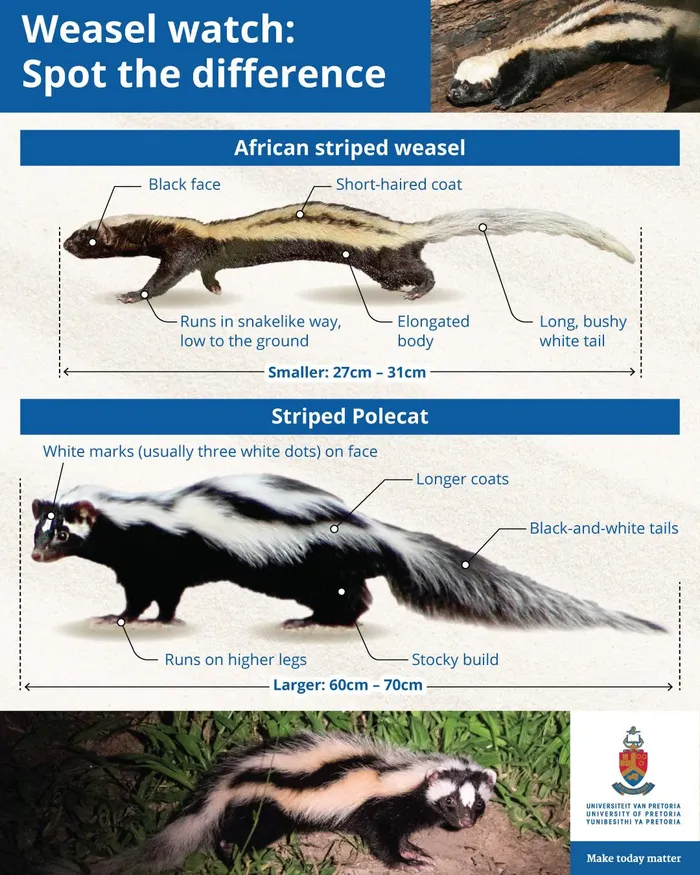
Infographic
Image: Weasel watch
"In particular, I’d appreciate comments from people who have seen them in arid, desert-like areas," Smith emphasises. "If I can collect scat, I could find out much more about the animal’s diet too." This initiative comes on the heels of a growing concern among wildlife experts regarding the weasel's conservation status, as the true population numbers and potential threats to its survival remain largely unknown.
Smith's fascination with the African striped weasel began during his undergraduate studies in zoology, a revelation that turned into a personal mission. “I couldn’t believe that there was indeed a South African mammal that had eluded me,” he recalled. His interest only deepened upon witnessing two live weasels in the wild while travelling through the Sandveld area of the Western Cape. Smith's observations ignited his quest to understand if these small carnivores, which may hunt mole-rats in their tunnels, possess behaviours that set them apart from their fellow predators.
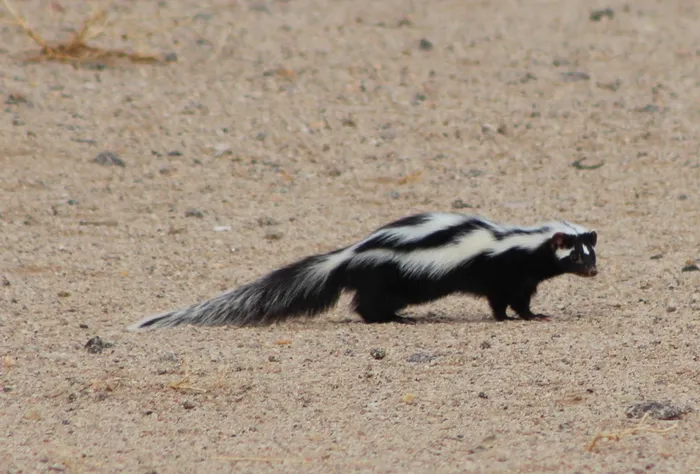
Polecats boast longer, fluffier fur and walk on higher legs.
Image: Gobabeb Namib Research Institute
The last significant research on the species dates back to the 1970s, led by the late Dave Rowe-Rowe in KwaZulu-Natal. Since then, Smith has taken it upon himself to compile a distribution map and gather recent sighting data, which is a vital step in laying the groundwork for future conservation efforts. He has already received encouraging feedback and support from the public, showcasing a community eager to engage with wildlife conservation.
Smith’s research is guided by a team of experts and supported by the University of Pretoria’s Mammal Research Institute. His ambitious plans include collaring some wild weasels—an unprecedented move for studying this elusive species, which will provide invaluable insights into their behaviour. The study will require nocturnal monitoring efforts as the weasel is known for its active night-time escapades, while Smith will also interact with local communities to gauge their understanding of the species.
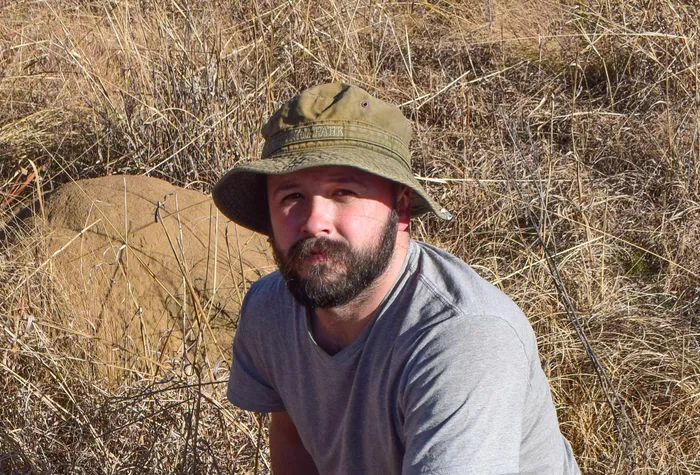
Kyle Smith
Image: UP
“To protect this species and its natural habitat, it is important to understand its ecological and conservation needs,” Smith explained, underscoring the need to raise awareness about the challenges faced by the African striped weasel.
If you’re interested in contributing to this important research, Smith is inviting anyone who has encountered an African striped weasel to report their sightings. Details such as the date, time, GPS coordinates, and even anecdotal observations can assist in piecing together the elusive animal's presence across Southern Africa. Interested individuals can reach Smith through various channels, including email and social media.